Kakkonto for early colds and mastitis—apparently it eases leg cramps too
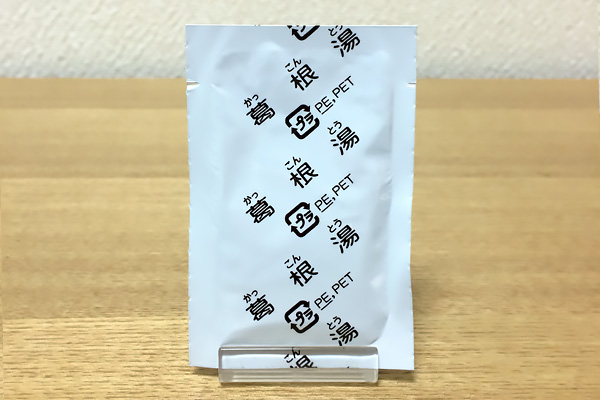
Kakkonto is probably the most familiar kampo medicine—many homes keep it. I’ve used it since childhood and still keep stock in the medicine box.
It’s famous for early-stage colds and mastitis while nursing, but I saw this tweet:
ロングライダース6.0で裏猫さんが「足つった時に葛根湯飲んだら治った」って書いてて間違いかなと思って調べたら、葛根湯にも芍薬甘草湯が入っていたので間違いではないことをご報告しておきます。
— 隊長 (@frecce) February 26, 2016
Kakkonto for leg cramps? Is it a wonder drug? I dug in.
Checking the herbs inside kakkonto
Wikipedia links each herb on the kakkonto page, so I followed them.
Kudzu root (Kakkon)
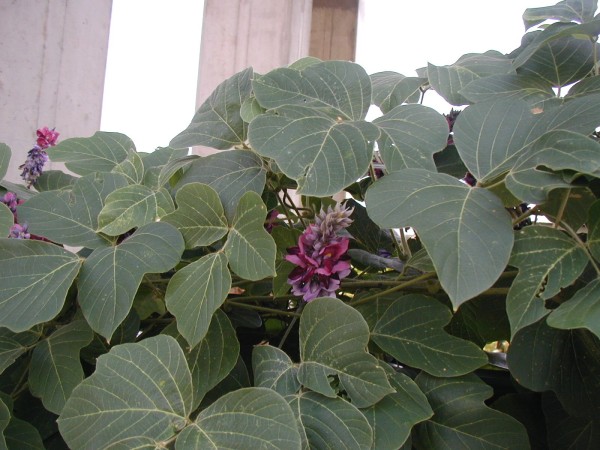 Source: クズ - Wikipedia
Seeing “kuzu” (Pueraria lobata subsp. lobata) at the top feels like an insult. Kudzu’s edible/medicinal part is the root, which swells like a tuber; starch is extracted from it. “葛根” is the root of “葛,” hence kakkon. It has sweating and pain-relief effects and is the largest component of kakkonto.
Ephedra (Maoh)
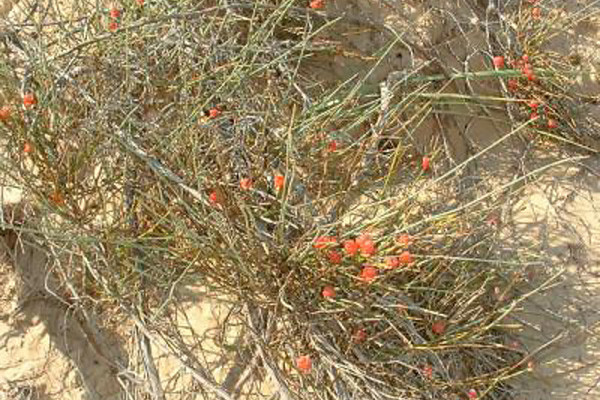 Source: マオウ属 - Wikipedia
The Latin name “Ephedra” contains ephedrine—a bronchodilator/stimulant. It’s in cold meds and has been misused for doping; judoka skipped a 2015 GP because their cold medicine had methyl-ephedrine. Ephedrine can even be turned into meth, so it’s potent.
“Ephedra” diet pills were banned for heart risks/addiction. In kampo the dose is mild—aimed at decongesting, bronchodilation for asthma, stimulant sweating.
Cinnamon (Keihi)
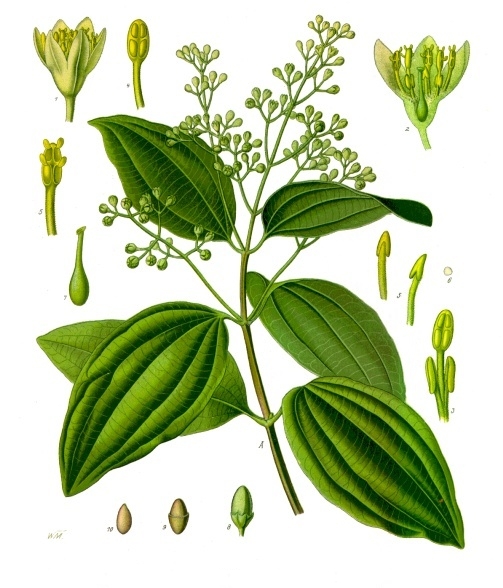 Source: シナモン - Wikipedia
Keihi = cinnamon—surprising. I hated it as a kid; love it now. One of the oldest spices; used to embalm mummies around 4000 BCE. Strong scent = preservative vibe; extracts become antiseptics and insect repellents.
As a herb: warms the body, promotes sweating/dispersion, strengthens the stomach—common in kampo. “Protects the stomach” reminded me: painkillers like Loxonin irritate the stomach, so hospitals pair a protectant. In Japan, the famous Kerorin painkiller adds cinnamon (hence anise-like smell)—“painkiller + stomach protector.” Kerorin is also the yellow bath bucket brand.
Kerorin tweet:
医薬品のケロリンは粉薬で、ニッキ(桂皮)を配合しているため、若干八つ橋っぽいにおいがします。味は少し苦いですよ。
#テルマエロマエ
— ケロリンの内外薬品株式会社☆公式☆ (@KERORIN_PR) 2013年4月20日
Kerorin was a medicine all along. Tablets exist, but the old powder is popular. I usually use EVE for headaches—if I run out, maybe I’ll try Kerorin. (My headache story:)

Peony (Shakuyaku)
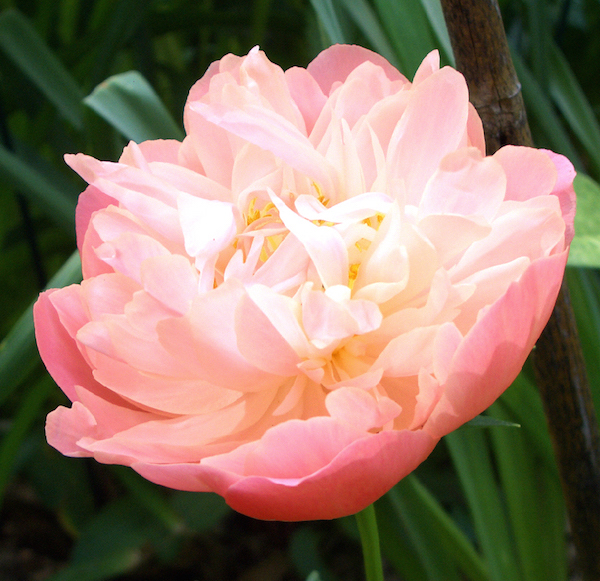 Source: シャクヤク - Wikipedia
Called the “prime minister of flowers,” popular in gardening. As a herb it offers anti-inflammatory, analgesic, antibacterial, hemostatic, and antispasmodic effects—used in many kampo formulas.
Ginger (Shouga)
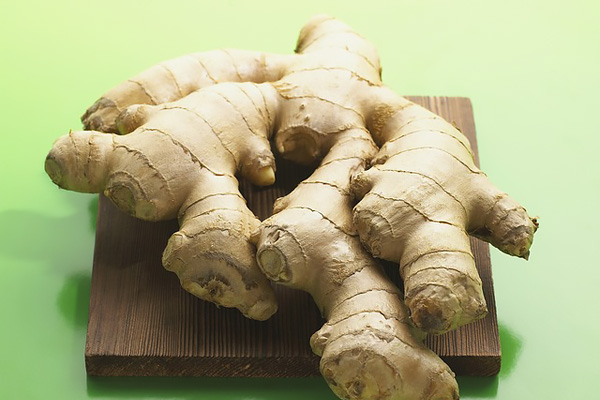
Finally a familiar plant. I love ginger pork—easy and invigorating. My go-to super-simple recipe (only two steps): http://cookpad.com/recipe/697479
Use tube ginger, premix sugar/mirin, pour and cook—hard to fail.
News broke today: Cookpad’s founder was ousted after clashing with current management (he wanted focus on recipes; they wanted synergies with “Minna no Wedding,” etc.). Even Nikkei’s audio cut off at “Cookpa…”
As a herb: promotes sweating (to lower fever), aids the stomach, suppresses nausea—similar to cinnamon. Culinary use is for aroma; surprisingly, it lacks true antiseptic power.
Ginger’s peak is summer (huge, cheap Kochi ginger). I used to let it shrivel in the fridge until I learned the water storage trick: submerge ginger in a jar of water, change water occasionally—lasts ages. http://cookpad.com/recipe/400569
Cookpa…
Jujube (Taiso)
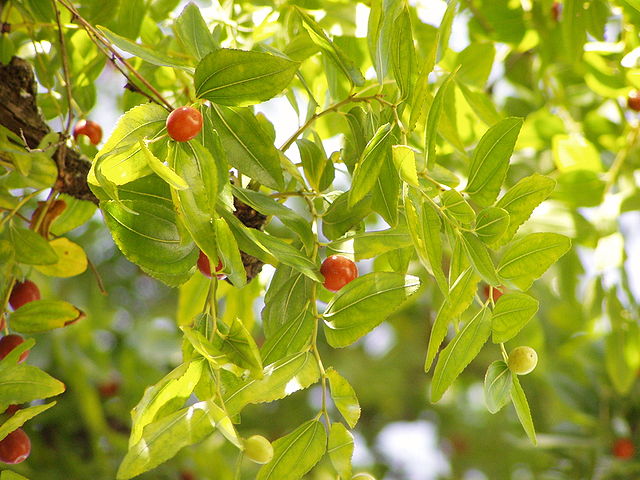 Source: ナツメ - Wikipedia
Not the date palm; sprouts in summer (hence the name). The wood becomes high-end crafts/furniture. As a herb: tonic and sedative; often used to soften side effects.
Licorice (Kanzo)
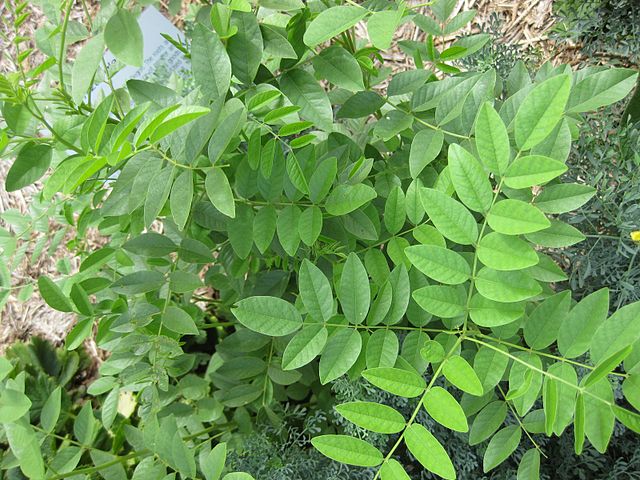
Licorice sweetens things—think licorice candy or root beer (not my favorite). Glycyrrhizin is ~50× sweeter than sugar and used as a food additive.
As a herb: calming, quells thirst; widely used in kampo. Also anti-inflammatory and skin-lightening; the components appear in cosmetics. Versatile.
Kampo has “base formulas”
It’s keishito (cinnamon twig decoction: cinnamon, peony, ginger, jujube, licorice) plus kudzu and ephedra.
葛根湯 - Wikipedia
Keishito alone helps early colds; adding kakkon and maoh amps it up to kakkonto.

Tsumura sells it; indications are similar to kakkonto.
Kakkonto is said to miss throat colds—try kanzoto instead

Kanzoto is unusual in kampo: a single-herb formula (just licorice). Wikipedia lists only “calming, suppressing thirst,” but the kanzoto page says:
Protects throat mucosa; used for sore throat (stomatitis), severe cough, hoarse voice.
甘草湯 - Wikipedia
Licorice is in kakkonto too, but maybe not enough to help throats; kakkonto focuses on sweating.
Add peony to kanzoto and you get shakuyaku-kanzo-to

Mixing kanzoto with peony (anti-inflammatory, analgesic, antispasmodic) yields this:
Used for cramping pain in the legs (leg cramps) and sudden spasmodic pains such as severe GI pain.
芍薬甘草湯 - Wikipedia
Leg cramps—makes sense, since cramps mostly hit calves.
Back to the tweet
(same tweet as above)
It mentions shakuyaku-kanzo-to, and kakkonto indeed contains peony + licorice, so it could help cramps. Amount matters, so I checked Tsumura’s ingredient amounts:
| Herb | Kakkonto | Shakuyaku-kanzo-to |
|---|---|---|
| Kakkon | 2.68g | |
| Taiso | 2.01g | |
| Maoh | 2.01g | |
| Kanzo | 1.34g | 3.0g |
| Keihi | 1.34g | |
| Shakuyaku | 1.34g | 3.0g |
| Shokyo | 1.34g |
Kakkonto has about half the peony/licorice of shakuyaku-kanzo-to, so some effect is plausible. The tweeter was in a sports context—kakkonto’s “stiff shoulder/muscle pain” indication might help too. Long rides = tight shoulders.
But kakkonto includes maoh (ephedra), which can trigger doping tests, so skip it for strict races. Carry shakuyaku-kanzo-to instead.
“JP” before each herb means Japanese Pharmacopoeia—Japan’s official compendium for pharmacists.
Even better options for leg cramps
If you lack kakkonto or shakuyaku-kanzo-to, convenience stores sometimes stock kakkonto drinks; there’s also “Alcrack,” a drink for cramps (maybe not at normal convenience stores):
Tablet shakuyaku-kanzo-to: Komure Care

Kampo is usually gentle/slow, but shakuyaku-kanzo-to acts fast. The label says:
Extract of 12 g JP shakuyaku-kanzo-to at full (maximum) dose.
“Full dose” is reassuring. And no doping risk.
Prevent cramps ahead of time: Meitan 2RUN

No peony/licorice here; it focuses on magnesium/calcium (cramp triggers) plus other minerals—people use it for heatstroke prevention too.
Reviews are all runners, climbers, trail runners, cyclists—sport supplement territory. Take one before a race and during/after to ward off cramps. Even non-athletes who cramp easily might take it before bed to avoid nocturnal leg cramps.
Summary
I didn’t expect to go from kakkonto to sports supplements. For cramp prevention, sports supplements seem best; if you don’t have them, kakkonto can substitute.
Kakkonto/keishito rev up resistance via stimulation/sweating—like a Kaioken boost. That’s why the label warns weak/elderly folks to consult doctors first, and why you take it early in a cold when you still have strength.
If you feel a chill or bad omen, it’s not too late: take kakkonto before it worsens, eat something warm, sleep early, and you’ll maximize the benefit.
Postscript
Some Meitan products tested positive for a banned substance, making news:
They found “bolsione,” a steroid-like compound that exists in nature and is used medically for muscle injury. Large doses could build muscle and stress the liver, but normal intake of Meitan products doesn’t reach that, so no health harm, they say.
With Rio and Tokyo Olympics looming, “doping” is a hot term. Meitan looks like a regular traditional-supplement company, so it feels unlucky more than malicious.
Twitter reactions were the opposite of that news article: Meitan has sponsored cycling for 5–10 years, a key supporter in a niche sport. Many racers actually use it. Doping tests hit only top-tier athletes; citizens won’t be tested. Still, it’d be tragic if elites grabbed Meitan because it’s everywhere in cycling and then failed a test—people wish the sponsor had tested sooner.
There’s a vibe of “the cycling scene exists thanks to Meitan”; if they pull sponsorship, regular folks want to keep buying to support them. Hope it lands well.