Moldy Mochi? Don’t Eat It—Here’s How to Prevent Mold Next Time
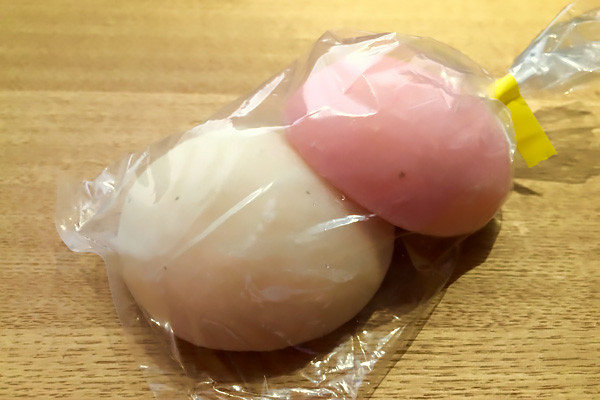
My gifted mochi molded overnight in the bag. I started scraping and wondered: how much is safe to eat, and how do I store it better?
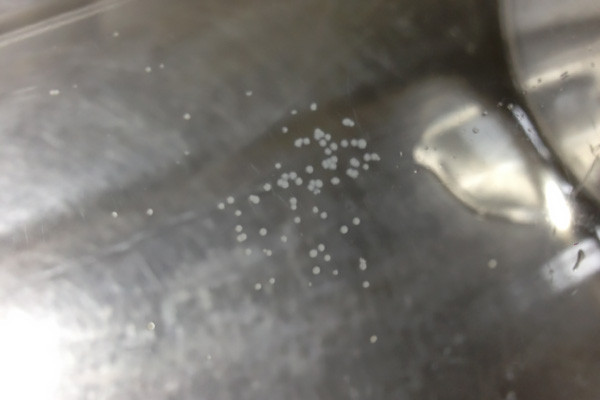
Side tip: stuck-on mochi comes off dishes if you soak in hot water; a spatula lifts it easily.
How I scraped the mold
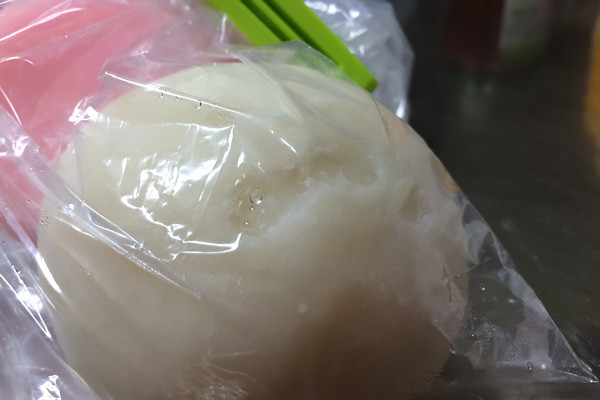
Mine only had tiny spots, so I used the potato-eye pick on a standard peeler to gouge them out:
Some people rinse or shave with a knife, but mold roots reach deeper to pull nutrients, so I dug holes a bit deeper than the visible dots.
By the way, this peeler is sharp enough for taro; folks say it cuts better than Zwilling.
Is moldy mochi edible? Reading about mycotoxins kills appetite
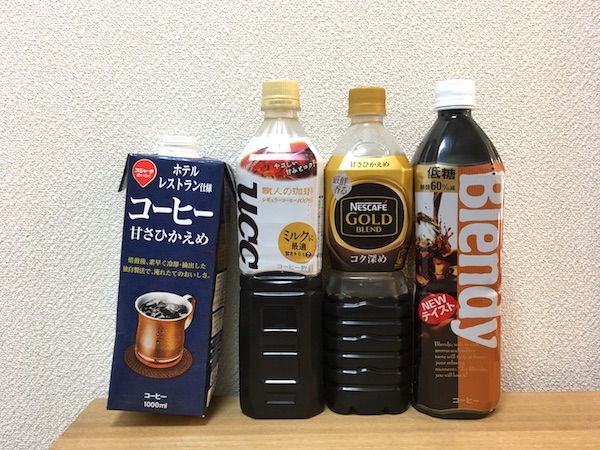
I’d researched mold toxins for butter coffee:
Butter coffee for weight loss—does it work? At least it tastes good.
Short version: mold toxins harm humans and don’t disappear with heat. Risks include carcinogenicity, poisoning, GI inflammation/bleeding/ulcers, and higher risk of neural tube defects in newborns. See Mycotoxin - Wikipedia for details.
Japan’s Ministry of Agriculture says:
If food molds, even if you feel “it’s a waste,” don’t eat it—discard it. For example, scraping visible mold off mochi only removes what you see; invisible mold may remain inside or on the surface.
農林水産省/食品のかび毒に関する情報
Kind of kills the mood after you’ve carved it. Maybe small amounts pass without symptoms, but we don’t know if toxins accumulate or clear, so don’t eat it if you want to live long.
Stories of grandpa rinsing moldy mochi and living long don’t prove safety—maybe he ate little, lived in low-mold environments, or was just hardy. A grandpa eating fuzzy moldy mochi daily and turning 90 probably doesn’t exist.
So… this time I’ll eat it because the mold spots were tiny (famous last words).
How to store mochi
I usually toss mochi into a container and freeze immediately. What else works?
Wipe with shochu
Alcohol wipe is one method. We don’t keep shochu, and at 35% ABV it’s not super strong for disinfection. Enter…
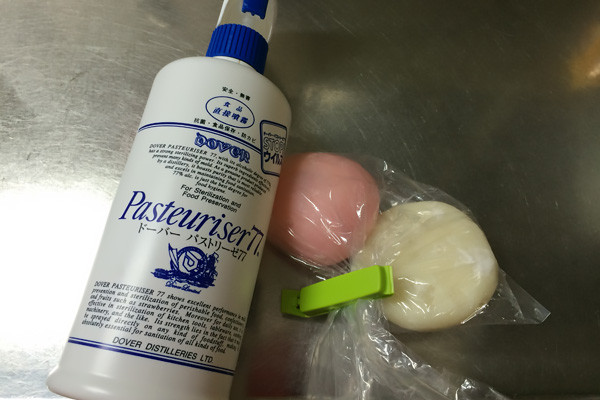 Pasture 77!
High-purity alcohol spray—spritz both sides, bag it. Supposedly keeps longer at room temp. Makes sense.
Store with wasabi or mustard
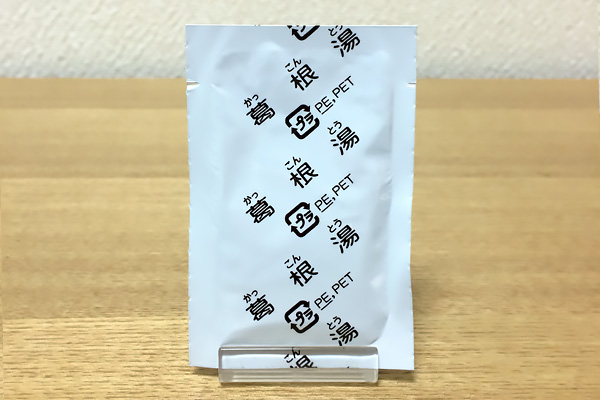
Put a dab in the container corner or bento. Common trick; lots of Q&A and Cookpad posts. Wasabi packets in prepared foods and anti-mold AC filters follow the same idea. Rice bins have similar products:
Someone tested wasabi/mustard efficacy
Home-style experiments (PDFs):
Summary: freezing >>>> refrigeration >> sterile/aseptic seal >> wasabi/mustard >>>>> garlic/ginger. If you can’t chill, wasabi helps; ginger doesn’t do much.
MAFF’s kids FAQ also says so:
農林水産省/からしやわさびには、かびなどを防ぐ成分がありますか。
The key compound: allyl isothiocyanate.
Allyl isothiocyanate (the spicy component) suppresses mold
Also called allyl mustard oil; smells like mustard. Plants use it to deter herbivores—it’s stored harmlessly until chewed, then turns spicy. Wasabi is mild until grated; same mechanism (repellent effect).
Takeaways
Don’t force yourself to eat moldy mochi. If you’re scraping, you should probably toss it.
- For prevention, wipe with shochu or other alcohol.
- For fridge storage, add wasabi in the container to extend life.
Most store-bought mochi is vacuum-packed, but for homemade/kagami mochi, try alcohol + wasabi. Freezing is still king.