Low-Pressure Headaches: Why Rain Gives Me Pain and What Helps
For years I thought “low pressure gives me headaches” was superstition. Friends said “my head hurts, rain’s coming” and I rolled my eyes. My own eye pain/shoulder stiffness/dizziness after screen time? I blamed the laptop. Then I tracked pressure and… science won.
Watching pressure with an app
頭痛ーる:気圧予報で体調管理 全国 700 万人の気象病対策アプリ
“Regularly occurring” symptoms made me curious, so I installed a barometric app. As pressure started to drop, my body started to tank. Had to believe it.
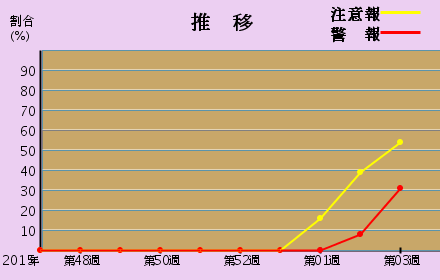
The free ad-supported app forecasts pressure like this:
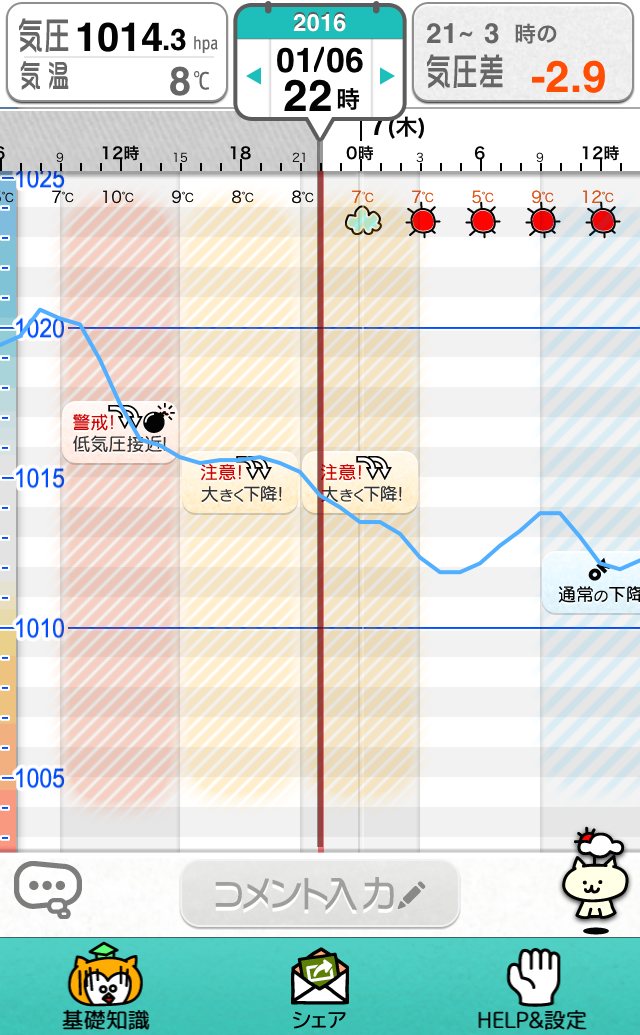
That day pressure plunged from morning and kept sliding; I felt awful from breakfast—sudden shoulder tension, heavy head, sleepy eyes. Opened the app, sighed, and closed it sadly.
I only knew scattered tips, so I researched
I’d heard “coffee helps,” “take a walk,” but they hadn’t helped much. Time to actually learn prevention.
Quick primer on autonomic nerves
Sympathetic vs parasympathetic—here’s the 101 I never bothered to learn:
| Type | Role | Image |
|---|---|---|
| Sympathetic | Active mode | Starter player giving their all |
| Parasympathetic | Rest mode | Sub player resting |
External stimuli (temp, light, sound) make your body toggle between them: sunny = go hunt (sympathetic), rainy = rest (parasympathetic). I used to joke “rain makes me sleepy because caveman DNA,” turns out there’s some truth.
Why drops in pressure feel awful
The app labels drops as “normal / caution / warning.” I feel it in “warning.” Sensitivity varies; some react even to “normal.” Explanations online say your autonomic system can’t keep up with rapid change. If we knew precisely, there’d be a wonder drug—so maybe that’s as far as science goes now.
My mental image:
- Sports car at 140 km/h: smooth acceleration and cruise.
- Compact car at 140 km/h: engine screams, steering wobbles—scary.
I’m the compact car. Most days I drive under the limit; a bomb cyclone shoves me into the red. When the balance collapses, they call it “autonomic imbalance.” No big mental stressors in my life; my trigger is external.
Beyond symptom relief—can I prevent it?
My usual relief: Salonpas when shoulders hurt, Bufferin for headache, warm towel on eyes; warm bath/shower, press acupoints. All reactive. I want prevention.
Found the phrase “train your autonomic nerves.” Apparently you can strengthen the switching by giving yourself varied stimuli so rapid pressure drops are less shocking.
Specific methods
Familiar advice:
- Get morning sunlight.
- Alternate warm bath ↔ cold shower a few times.
- Exercise regularly.
- Practice abdominal breathing.
Doable but easy to ditch after three days. Sunlight: check. Easiest might be regular exercise; I jog lightly—maybe increase frequency/intensity. Time is the hurdle.
Bath routine is hard for me (I rarely soak). If you’re a bath person, add a few cool showers at the end. Abdominal breathing feels good but I forget; maybe do it when standing for tea. Yoga uses it too—easy add for home practice.
“People sensitive to pressure often have weak digestion”
A random acupuncture clinic said this and recommended acupressure for autonomic balance:
気圧と自律神経
Weak stomach reminds me of author Yukio Mishima. He was skinny and frail, then started bodybuilding at 30, training three times a week until the end:
Originally slender and frail, Mishima built a formidable physique through relentless training and overcame his weak stomach. Bench press rose from 10 kg to 60 kg in about two years; chest surpassed 1 meter; he kept bodybuilding for life.
三島由紀夫 - Wikipedia
Any moderate-strength exercise probably helps; push a bit past comfortable. Yes, it’s a pain.
Should I take Bufferin for low-pressure headaches?
Causes aren’t settled, but one theory: pressure drops → blood vessels dilate and swell → in the cramped skull, expanding vessels press nearby tissue → pain. Pain from bruises/sprains comes from inflammatory chemicals; NSAIDs like Loxonin suppress them, so they likely help similar headache mechanisms. I don’t keep Loxonin (and it’s rough on stomach), so I use Bufferin or Eve sometimes.
Bufferin’s site even covers weather headaches:
気圧の変化による頭痛 | バファリン プレミアム
Ingredients include ibuprofen, which eases pain/fever and also inhibits platelets (“blood-thinning” effect). Aspirin is stronger for platelets. Since vessels constrict/dilate in low pressure, maybe that aspect helps. Platelet inhibitors slow scab formation; doctors warn “be careful with cuts.” I’d rather not test that.
Headache “pro” (TwitCasting creator) shared coping tips
Found a blog by the person who made TwitCasting—serious headache sufferer:
I used to take ~10 boxes of Bufferin a year; it stopped working, so I fix it naturally now.
■ Dull headache fixes: raise blood sugar (something sweet); drink green tea (better than coffee for me); massage the back of the head (better than temples); move your body; take your time in the bathroom.頭痛になったときの対処いろいろ : 管理人@Yoski
NSAIDs don’t cause drug resistance; they have a “ceiling effect” (more pills ≠ more effect). His tips feel grounded in experience. Raising blood sugar is new to me—worth a try. Back-of-head massage = acupoints “Fuchi” or “Tenchu” along the hairline; pressing the skull base feels great. “Take your time in the bathroom” is also novel; gut movement affects absorption, so maybe it matters. If you need recovery time, take it—produce a big 💩.
Summary
- Yes, low pressure can trigger headaches.
Take painkillers if needed; they don’t “stop working,” but if the headache type changes it may feel that way.
- Exercise shows up here too.
- Muscle conquers all.