Japanese makers behind 100-yen goods you see everywhere
100-yen shops have been around since 1985 (Daiso: 1991; then Can★Do, Seria, Watts/Silk). Each chain has its vibe—Seria’s cute lineup has been especially strong.
I wrote about Seria’s popular spice bottles:
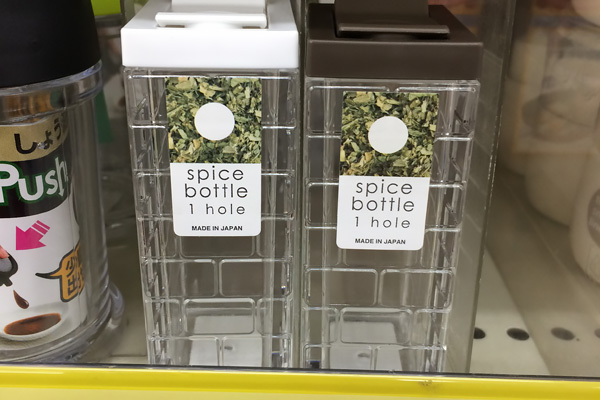
I realized those bottles appear beyond Seria, so I dug into who actually makes the storage/kitchen goods at 100-yen shops.
Focus: storage and kitchen items
10+ years ago, imports (mainly China) dominated; hit items went out of stock because restocks were slow. Now, chains source cheaply from domestic makers, so “Made in Japan” labels are common—especially on plastic storage/kitchen/cleaning items. I checked production labels (not exhaustive) and mapped who sells where:
| Maker | Seria | Can★Do | Watts/Silk | Daiso |
|---|---|---|---|---|
| Sanada Seiko | – | ◯ | ◯ | ◯ |
| Inomata Chemical | ◯ | ◯ | ◯ | ? |
| Yamada Chemical | – | ◯ | ◯ | ? |
| Kokubo | – | ◯ | ◯ | ? |
| Asahi Kasei (Gifu) | – | – | ◯ | ? |
| Izumi Plastic | ◯ | ◯ | ◯ | ◯ |
| Nakaya Chemical | ◯ | – | – | ? |
| Himaraya Chemical | ◯ | – | – | ? |
| IP System | ◯ | ◯ | – | ? |
| 100-yen private label | – | ◯ | – | ◎ |
All are small/medium domestic firms, often under 100 employees (half part-time). Here’s a quick tour.
Sanada Seiko Co., Ltd.
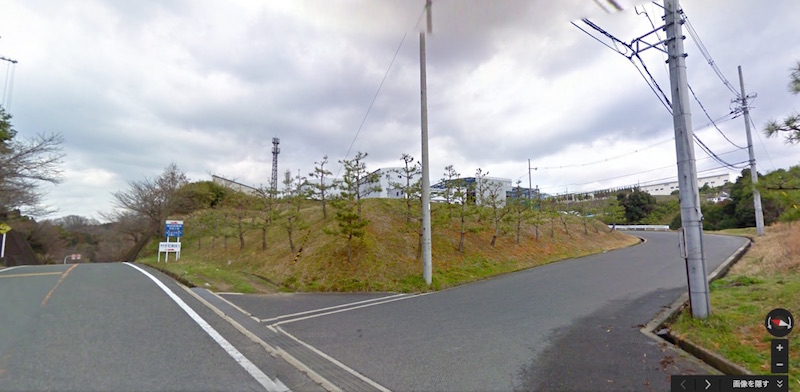
サナダグループ — Founded 1974, Chihayaakasaka Village (Osaka); 135 employees. Group includes chemical maker Fudo Giken (deodorizers, drying agents, boric-acid roach bait), whose logo you’ll see on 100-yen deodorants.
Products feel sturdy and plain (lots of white/clear), easy to blend into daily use. Our pantry shelves hide many Sanada pieces.
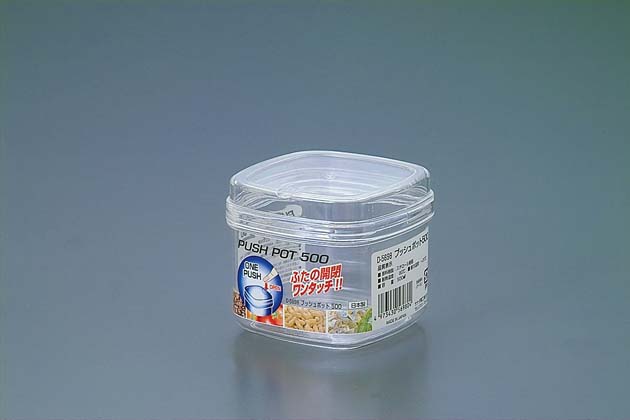
Push Pot 500 — common in 100-yen food containers. I first saw it 15 years ago at a home center for ~¥500; now ¥100!
Logo
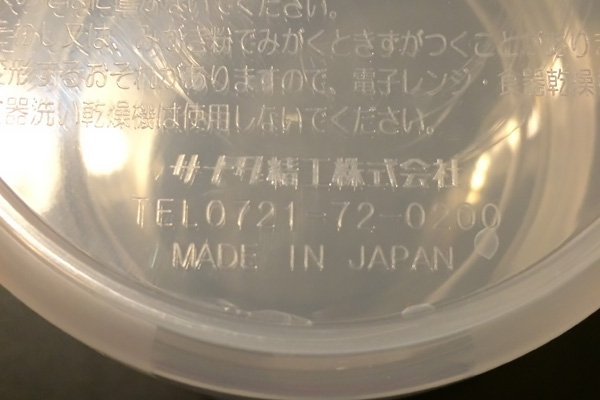
Inomata Chemical Co., Ltd.
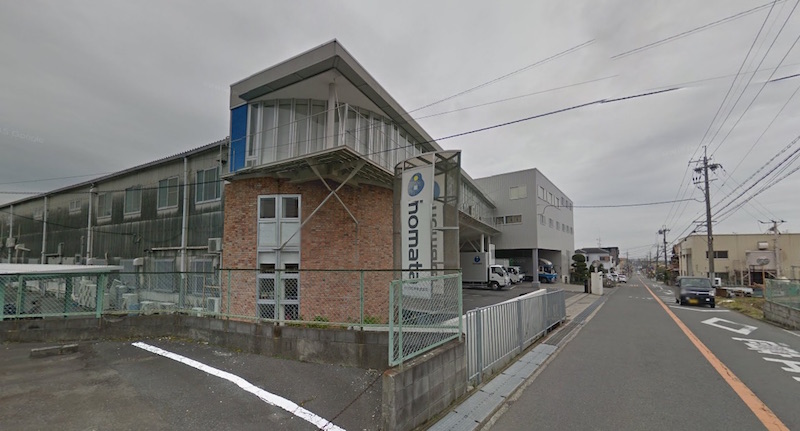
イノマタ化学 — Founded 1978, Sakai (Osaka); ~70 employees. Designs, manufactures, and ships in-house; also sells to home centers/online with SRP over ¥1,000.
Designs are solid and color sense is good (I like them). Seria’s spice bottles are theirs. Leaf bath series, “Naruhodo” measuring cups, etc., are in my home. Their “Smart Bucket” line is popular on Amazon—used for car washing; sturdy enough as a step; UV-resistant; nice colors.
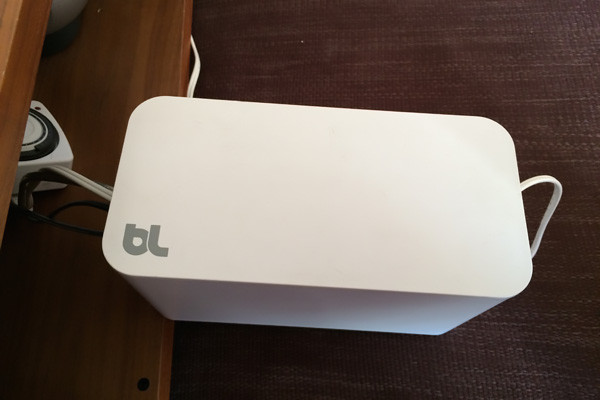 — I’d written about a cable box (also Inomata) before realizing it.
Logo
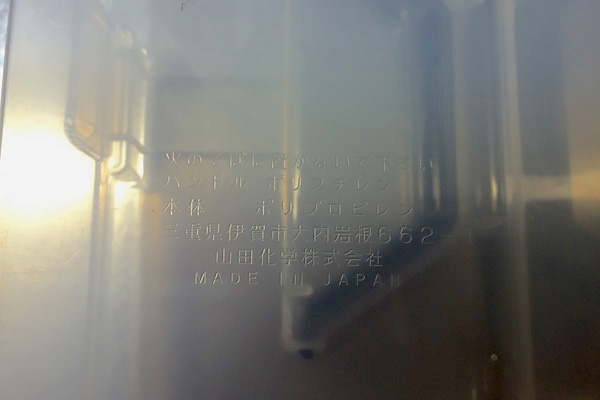
Yamada Chemical Co., Ltd.
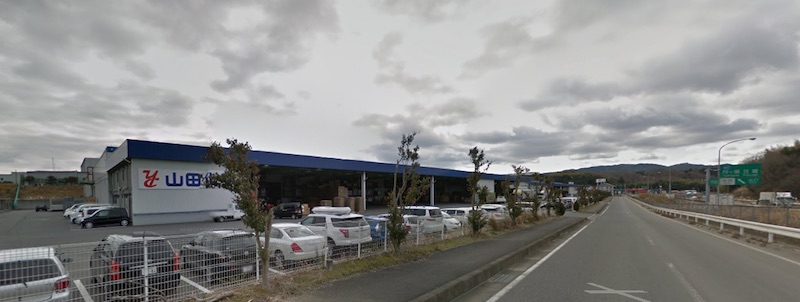
山田化学 — Founded 1988 (Yao, Osaka); later moved to Iga, Mie; ~60 employees.
You’ll see “Yamada Chemical” under many plastic odds and ends. Examples:
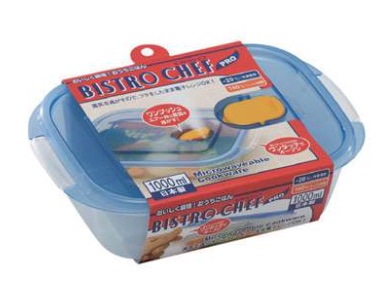
The Bistro Chef containers have push vents and microwave-safe lids. They also make phone stands, desk caddies, etc.
Logo
Kokubo Co., Ltd.
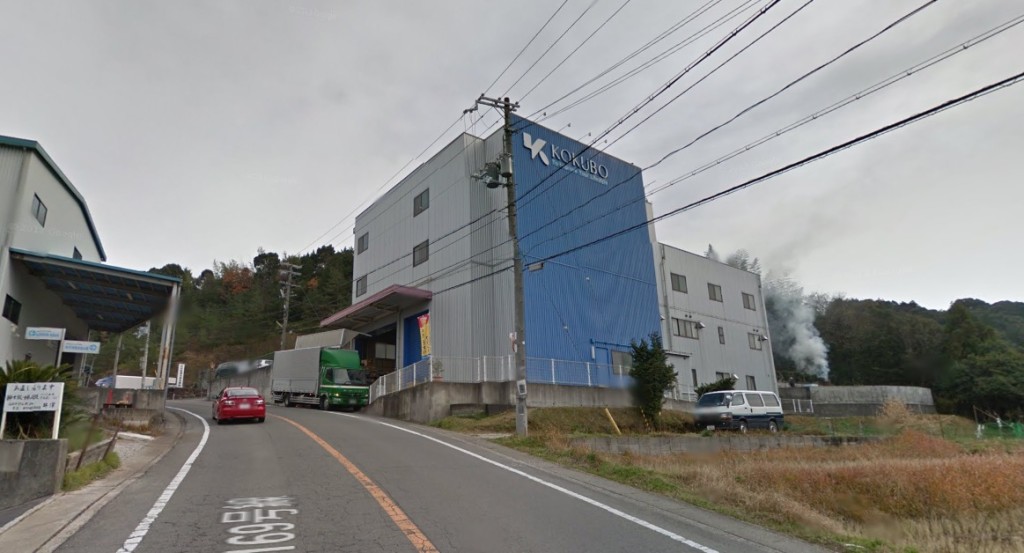
小久保工業所 — Founded 1958, Kainan (Wakayama); 75 employees. Strong in cleaning tools; most 100-yen cleaning aisles are theirs. Those old foot pads at Daiso? Also Kokubo (via chemical affiliate).
I love their melamine brush and wrote about it:
Unique trait: overseas push. They have a US office and a “from KISHU to the world” site:
from KISHU to the world | KOKUBO PRESSIt had “0 likes” when I checked—if you use Kokubo goods, maybe give them a click 😢.
Asahi Kasei (Gifu) Co., Ltd.
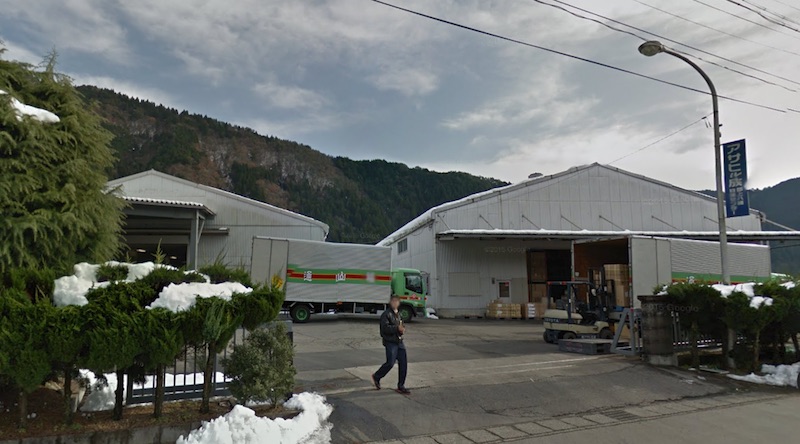
株式会社アサヒ化成 — Founded 1963, Gujo (Gifu); 58 employees. (Not the big Asahi KASEI.)
Gujo is the birthplace of restaurant food samples; Asahi Kasei’s site even mentions it. Nearby is the famous Iwasaki food-sample company’s lab and a hands-on “Sample Village.”
Products feel old-school, like items at small local variety shops. I found their bucket at home (bought at Silk).
Izumi Plastic Co., Ltd.
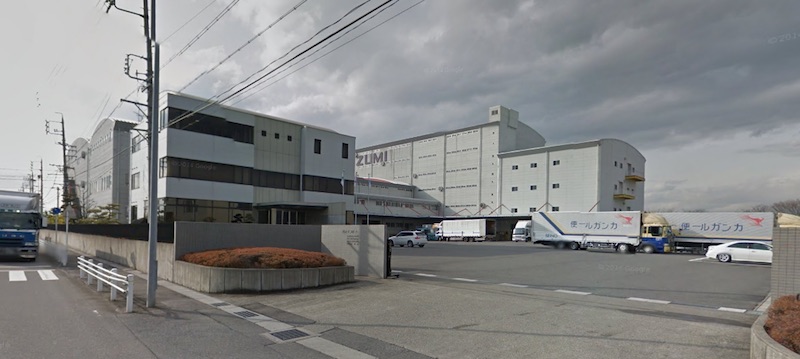
和泉化成 — Founded 1967, Ichinomiya (Aichi). Likely the biggest in this list; factory + distribution center near auto logistics hubs.
Makes tons of items, including plastic furniture you’d see at home centers/Nitori. Everything is slightly uncool. Designs feel aimed at older shoppers. They also make zipper file cases—100-yen file sections are full of Izumi products.
Nakaya Chemical Industry Co., Ltd.
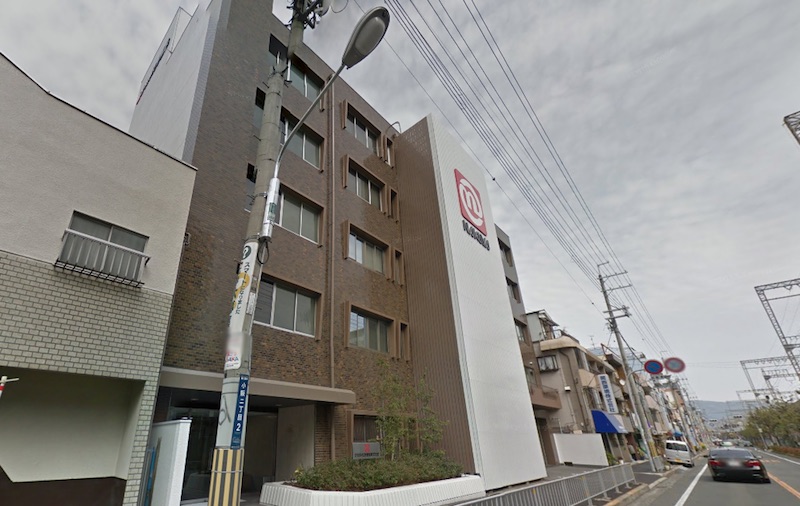
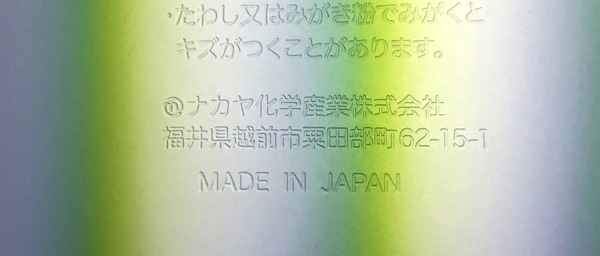
ナカヤ化学産業 — Founded 1977, Higashi-Osaka; new Fukui site suggests 60–70 staff.
Focus: kitchen/cleaning/bath goods. Many are cute/fancy, but the “Kitchen Organizer M” line feels MUJI-like; “Desk Organizer M” is the color variant. Also makes bug cages, toy hammers, elephant watering cans. Their site is hard to browse (12 items/page)—dear web admin, please bump to 50!
Logo
Himaraya Chemical Works Co., Ltd.
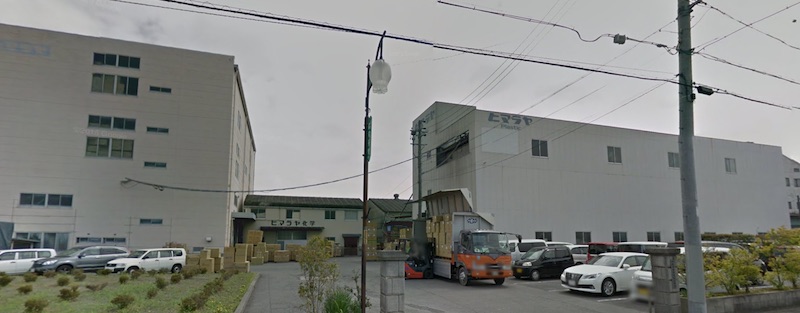
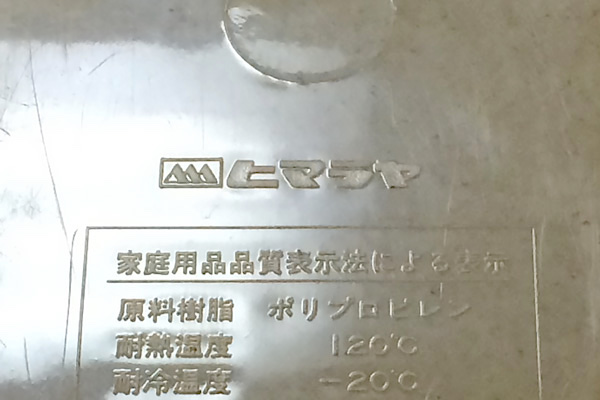
ヒマラヤ化学工業所 — Founded 1948, Ama (Aichi); ~50 employees.
Seems to supply only Seria (I rarely see it elsewhere), mainly fancy floral baskets. Other products feel Showa-era; you’d imagine them in rural supermarkets. I found an old beige Himaraya basket at home—no memory of buying it, maybe 10+ years ago. Stealthy!
Logo
IP System
No website found (maybe the IT-sounding name hides it). A mystery company.
Popular for a bag sealer sold on Amazon, and the trendy Seria dressing/oil bottles are theirs (Instagram-loved):
Their lineup spans kitschy colorful imports to Seria-friendly white minimal pieces—hard to pin down; maybe an importer/wholesaler.
Summary
Learning the makers behind 100-yen goods made them feel familiar—regular town factories, not faceless imports. Many items are well-designed/made in Japan. Now I can spot makers by color/style (“crisp colors = Inomata,” “floral = Nakaya,” “plain = Sanada”).
Daiso is different: often hides maker names with its “Daiso Sangyo” logo or no logo, yet mixes in Inomata/Sanada pieces. I used to worry “is this really Japan-made?”—now I buy with confidence.
Made-in-Japan items tend to use safer materials as well as precise molding—good for food use. Next time you’re in a 100-yen shop, flip items over, find your favorite maker, and shopping gets even more fun.