How to tell a normal cowlick from early thinning
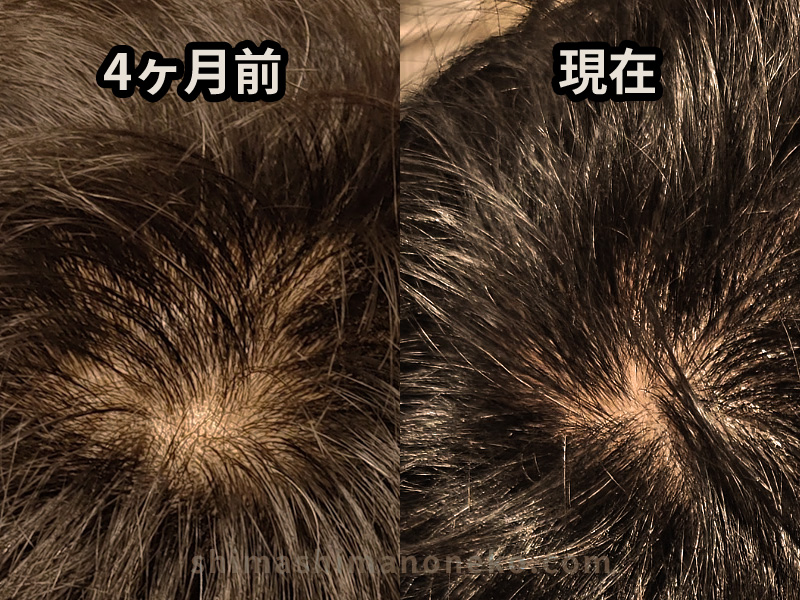
I almost missed my crown thinning because you rarely see your own crown. A quick mirror check felt fine, until my kid pointed at my scalp and I took photos. It wasn’t “in my head”—it was real thinning.
First, what does a normal cowlick look like?
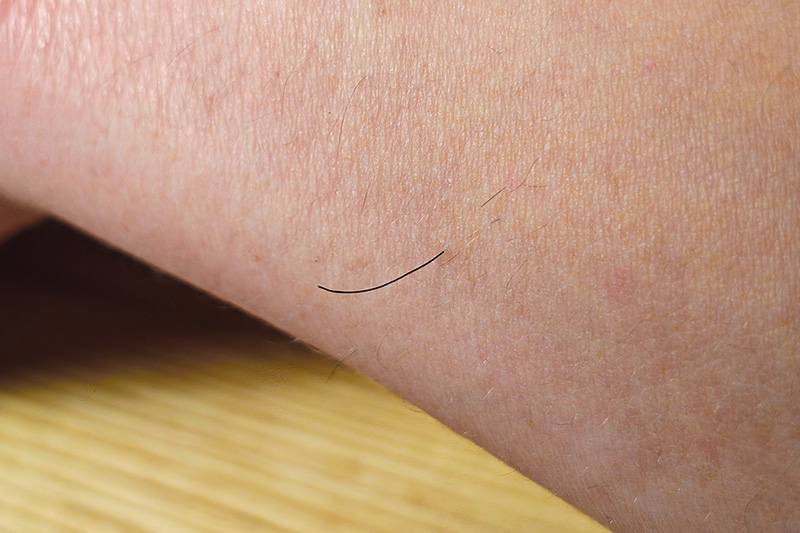
I started comparing strangers’ crowns: teens on the street, shop staff, commuters, office dads. The pattern I now use as “normal”: no visible scalp when viewed from the side, and the hair around the whorl stands up in a three-dimensional swirl (unless you have very fine hair).
When thinning starts, crown hairs get finer and lie flat, the spiral disappears, and it looks like a split. That was me.
Document your current state — take photos
Take multiple angles: straight above with your phone at arm’s length, plus side and back shots. If scalp shows in those angles, caution. Timer shots from 2–3 m away are ideal—that’s the distance you view other people’s crowns.
Selfie stick helps.

Shoot in different lighting
Don’t judge only under a bright ceiling light. Change locations; lighting changes how much scalp shows. Too dark is also misleading. Collect fair photos.
Video helps
Video gives more angles. Fix the camera and move your head, or use a 360 camera (e.g., Insta360) if you have one.
Look at other people’s crowns
Most teens have zero thinning—use them as the reference. Then look at people in their 30s, then 40s–50s where scalp often shows. You’ll quickly train your eye to spot flattening and scalp show-through—what I jokingly call “cowlick vision.”
Re-check your own crown
Compare your photos with what you’ve observed. If you’re in your late 20s or older, keep periodic photos. If you’re clearly progressing, take action; if you match peers, maintain.
Everyday care tips are here:

For treatments: there are “maintenance” topicals and “regrowth” meds. I used 5% topical minoxidil for four months and my crown recovered. For the attack/defense med overview, see this summary:

My detailed minoxidil results are here: