Why Yamazaki Makes the Best Minimalist Home Goods
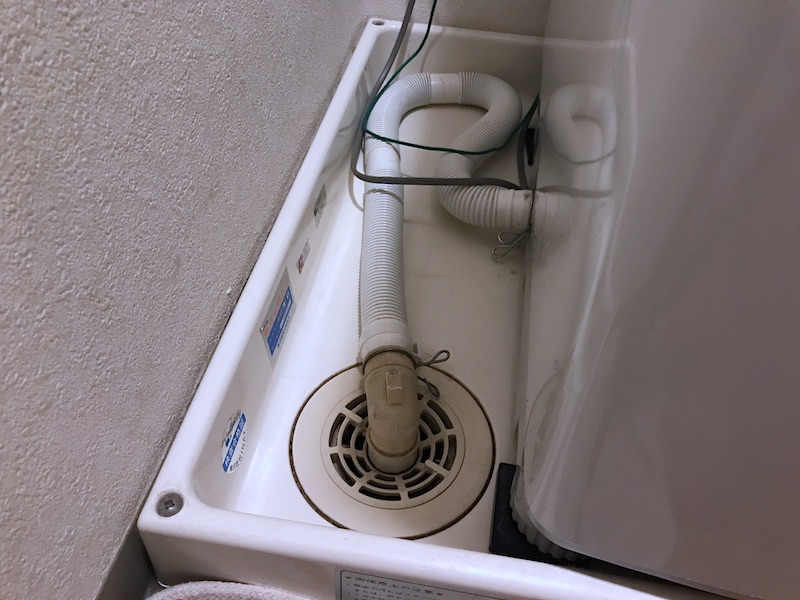
Most apartments have a drain pan under the washer. Ours leaves about 25 cm on the left, so I stuck a narrow Muji drawer there—but the recessed pan and drain hose meant the drawer tilted and dragged. I found a board made for this exact gap and it was the true “what the customer wanted” item.
Yamazaki saves the day (again)
Amazon.com : Search result -> Yamazaki
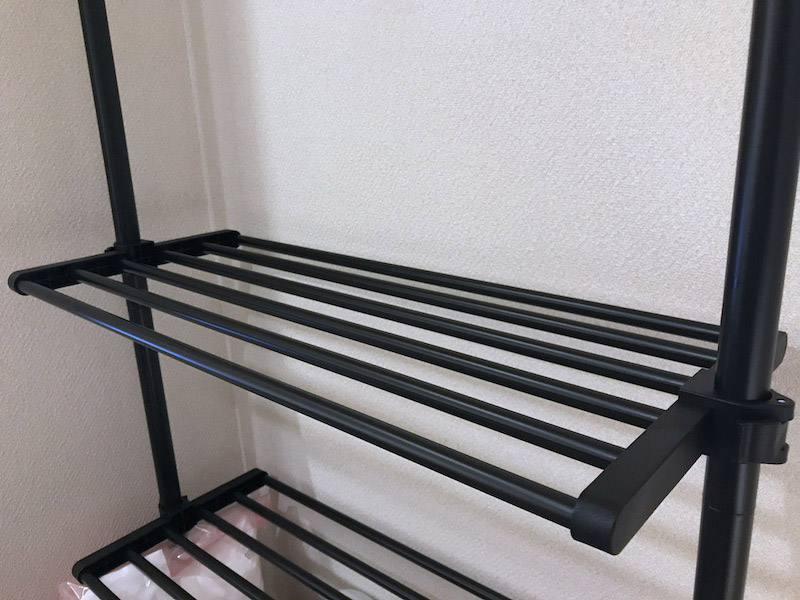
Same maker as the bath-wall storage I wrote about earlier—Yamazaki. It is just a steel board that weighs 5 kg and costs about 2,200 yen, but it was absolutely worth it.
Drain pans are standardized in Japan; three common sizes:
- 640 mm x 640 mm (square)
- 740 mm x 640 mm (rectangular)
- 800 mm x 640 mm (wider rectangle)
Our pan is the small square. Our 10-year-old washer fills the depth, but leaves width.
Placing the Yamazaki board on the pan…
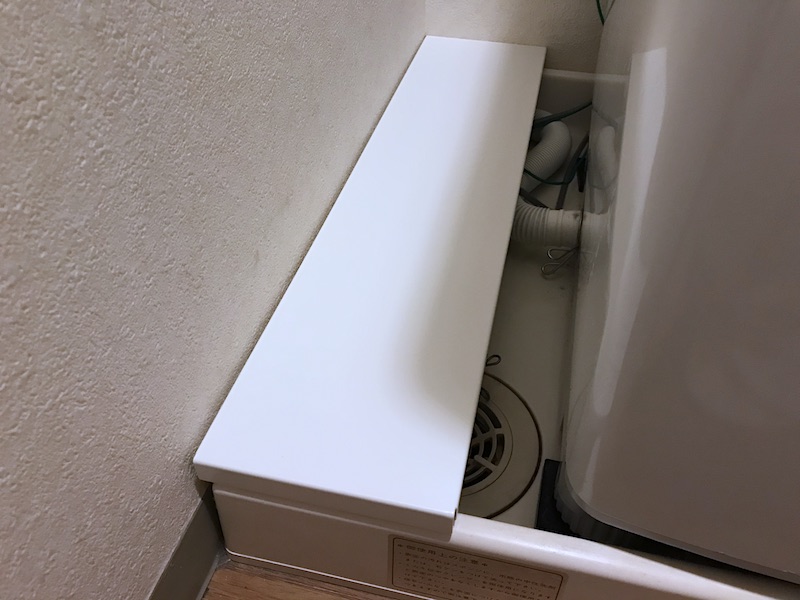
Perfect fit. About 10 cm still free on the right, which leaves margin for a future washer.
In the photos you can see rubber under the washer feet—that story is here:
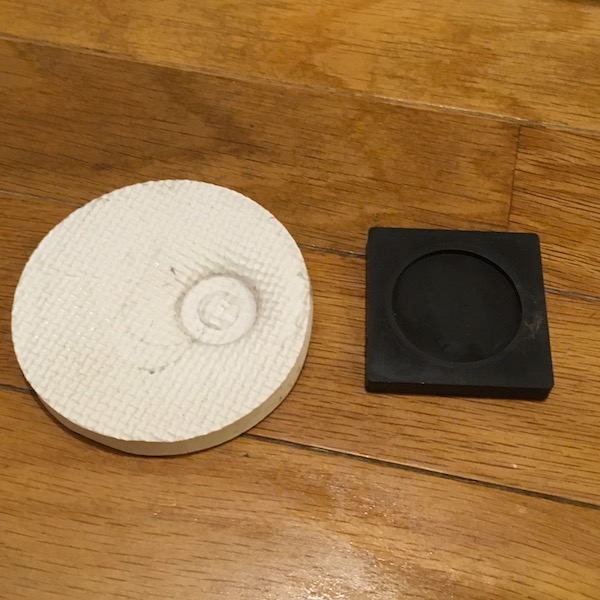
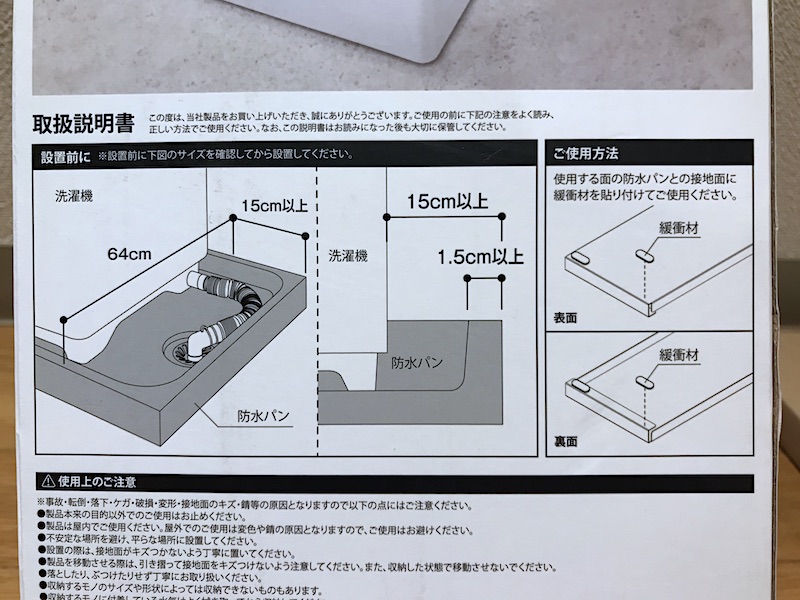
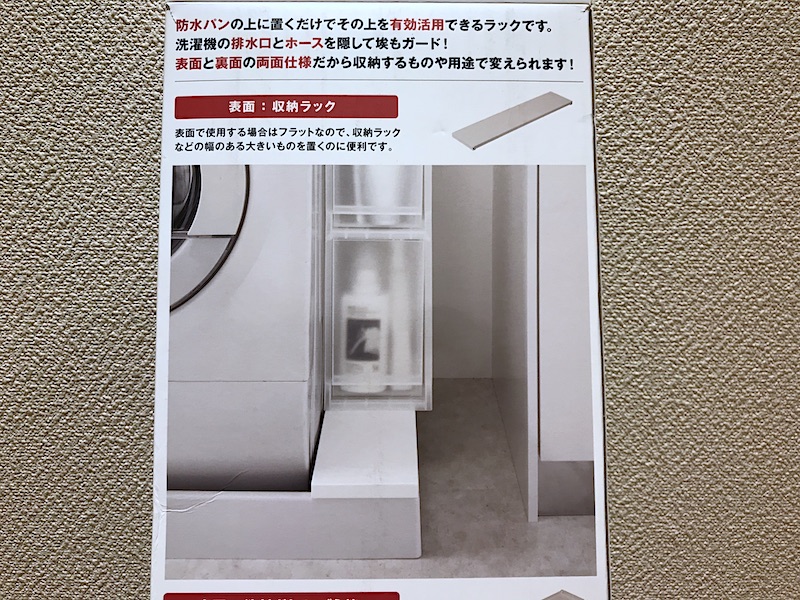
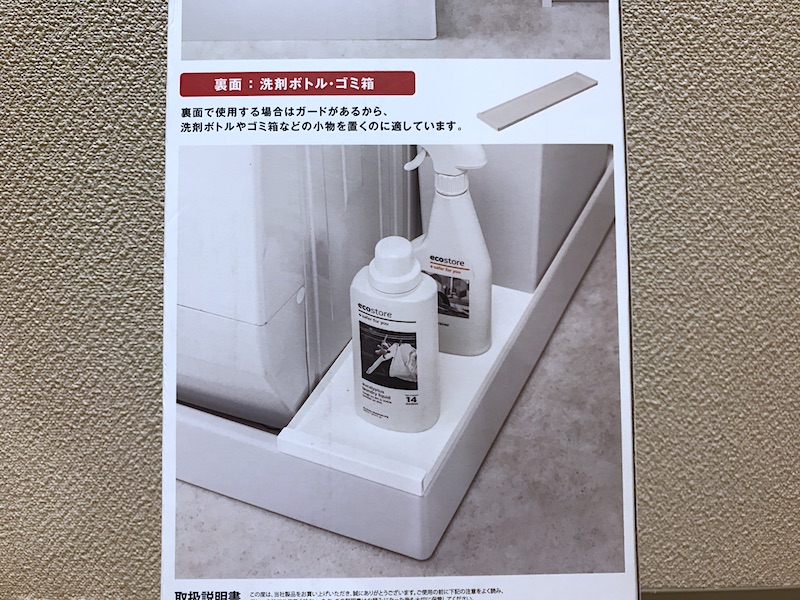
I wondered if it would slide, but the included silicone pads plus the board’s weight keep it rock solid. Because the pan size is standardized, the fit is exact. Very satisfying.
The product photos show a Muji polypropylene drawer; we use the same one.
Yes, I hesitated at “a board for 2,000 yen?” but alternatives were bad: a 500 yen Daiso wire grid is the wrong size and would bend under load; plastic boards around 60 cm lack strength; DIY wood exists but not for non-DIY folks. This is the perfect gap-solver.
Meet Yamazaki
Yamazaki products pop up in our kitchen and bath. In my head they were like a local factory brand, but their clean designs pair well with design appliances like Balmuda or Duende.
They were founded in the early Taisho era in Nara. Besides designing and selling household goods, they import simplehuman (USA) and vivora ball chairs.
Company profile (JP)Mostly steel, powder-coated
Ours are almost all steel, usually white or black, with powder coating:
Powder coating sprays powdered paint onto metal using static electricity, forming a thick, tough film (up to ~150 microns in one pass). It resists scratches, heat, and oil, and avoids solvent fumes/fire risks common in liquid coatings.
They also love magnets—big magnetic sheets for strong hold—and make lots of clever magnetic items.
Lots of smart designs
Steel weight gives stability, so they can make tall yet self-supporting pieces. Their official Instagram and the #yamazakijitsugyo hashtag (JP) are packed with use cases:
- Official: https://www.instagram.com/yamazaki.home.channel/
- Tag: https://www.instagram.com/explore/tags/%E5%B1%B1%E5%B4%8E%E5%AE%9F%E6%A5%AD/
Next on my list
This is wild: a gap-filler for the sides of a non-built-in gas stove. That area is standardized too, yet no one made something to use it—until Yamazaki. Our stove has that dusty, greasy void behind the guard; if I can set this in, I might ditch the range guard and gain space.
I wrote about our current range guard here:
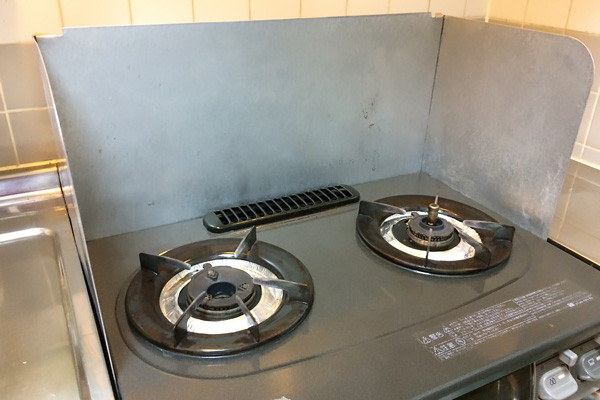
Maybe we can graduate to the next stage.
Takeaways
- If you like Muji or Nitori, you will probably like Yamazaki.
- They are steel, surprisingly heavy at first touch.
- Instagram is great for real-world examples.
Prices are a bit higher than plastic but still around 2,000-5,000 yen. The catalog is huge—fun to browse.
Yamazaki store on Amazon (JP)