Cheap Uniqlo pack tees and the fight against pilling
I grabbed the famous Uniqlo pack tees this summer. They were 500 yen a piece (about 400 yen on sale), came in a plastic pack, and Instagram was buzzing about them—though people were styling them in ways I did not expect.
TL;DR: The cotton/poly blend pills fast. A corded Tescom lint remover cleaned it up best; a kitchen sponge works in a pinch, while razors were so-so.
- Instagram tag: #ユニクロのパックt
- NAVER summary of how people style the pack tee
The official name is “Dry Color Crew Neck T / Dry Color V Neck T”—a cotton/polyester blend with a quick-dry finish.
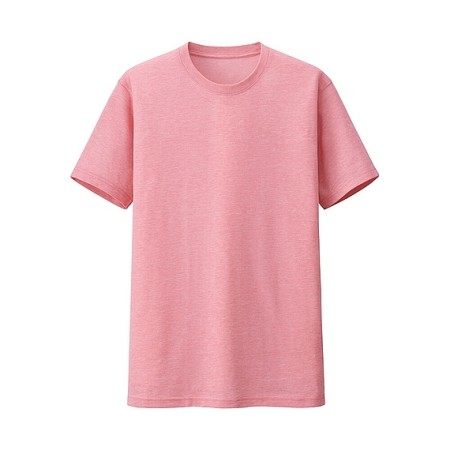
MEN Dry Color Crew Neck Tee (short sleeve)
Lots of colors, very cheap, and popular. The reviews on Uniqlo’s page were stacked.
Surprise: pilling already
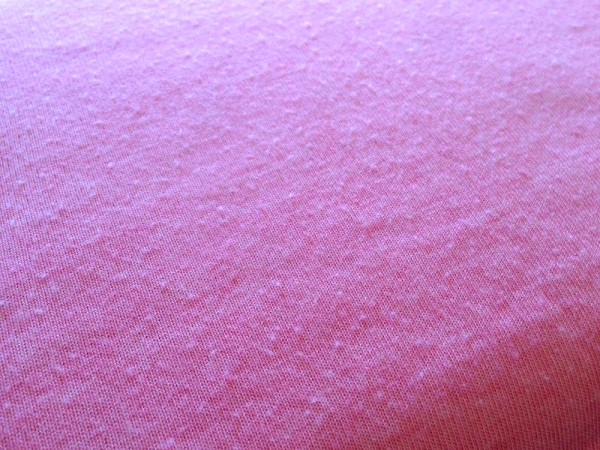
I bought five colors (pink, orange, gray, olive, navy). After wearing pink and orange on rotation for about three months—around the house and outside—I noticed pills on the stomach and back.
ユニクロのパックT
— atsumi (@y19kim) June 14, 2015
毛玉ができ始めてきた。
追加購入しないと!👕
Seeing others on Twitter talking about pills bummed me out. Were these cheap tees basically disposable? Before giving up I decided to learn why they pilled and how to fix it.
Why did the pack tee pill?
I have worn Uniqlo, Muji, Hanes, etc., and never saw pilling on T-shirts—only stretching. Searching just for “pilling” instead of “T-shirt pilling” surfaced a detailed explanation from a cleaners’ association.
- Why pills form: friction—side seams, under the arms, sleeve interiors.
- Materials that pill: synthetic fibers stay strong, so the fuzz does not break off naturally. Natural fibers like wool or cashmere shed pills more easily.
The pack tee’s cotton/poly blend makes pilling more likely, so the fabric kept hanging on to the fuzz.
Trying ways to remove pills
Disposable razor
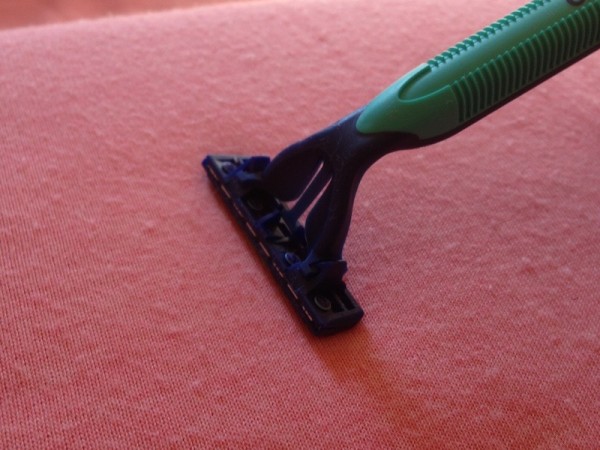
Dragging a blade across fabric is nerve-racking. I kept the surface flat and shaved gently. I could hear the razor catching, but the pills were too small to come off cleanly. Meh.
Kitchen sponge
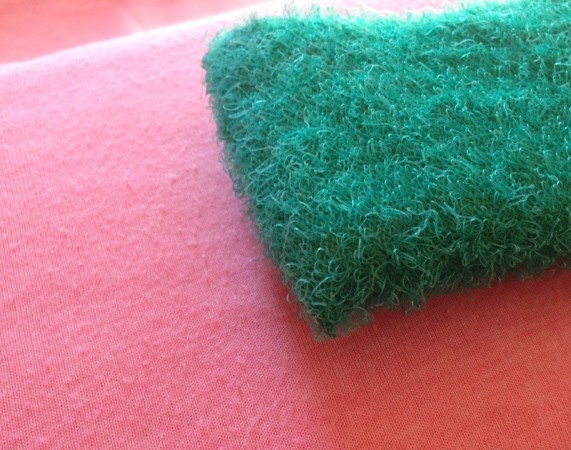
I only had a very rough sponge at home, and it felt like it would ruin the shirt. Still, I tried gliding the abrasive side over the fabric and—surprise—it snagged only the pills and started smoothing things out.
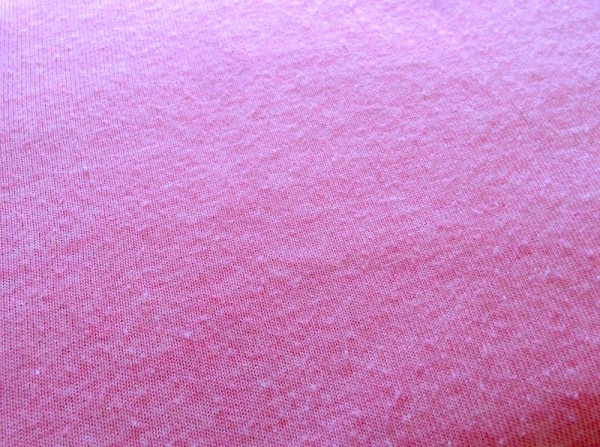
The center looks cleaner, but the fabric also feels fuzzier overall. It might tug threads loose, so handle with care.
Electric lint remover
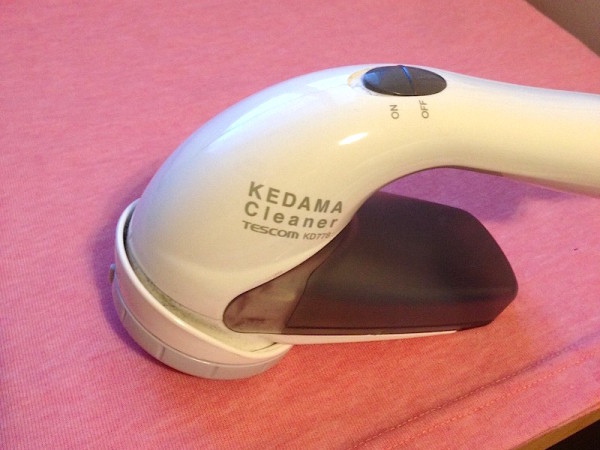
Time to borrow my partner’s lint remover. She used to have a small battery model, but it died, so she upgraded to this corded one. I teased her about the cable, but she swore the power made it worth it.
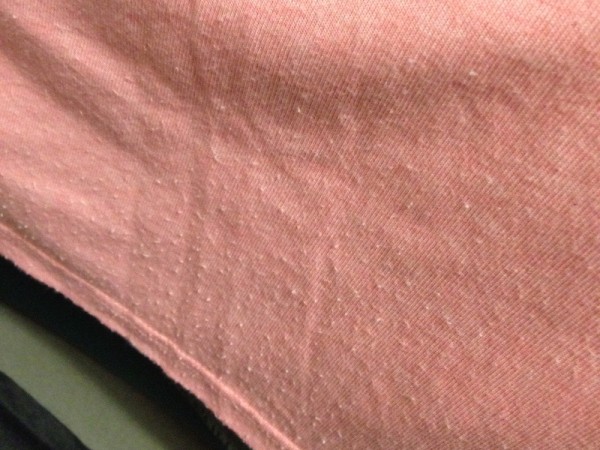
The back looked worse than I realized.
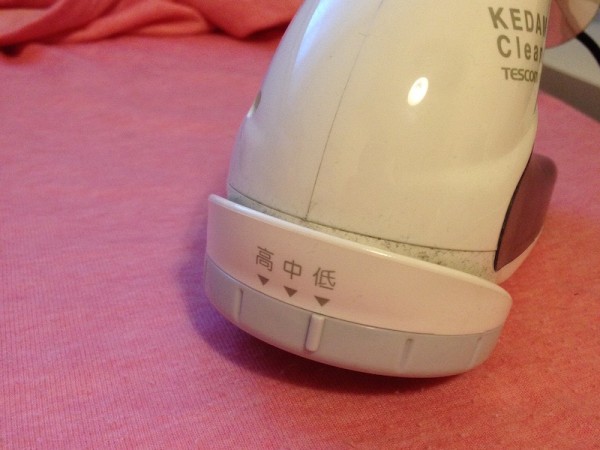
The guard height is adjustable. Since this tee is thin, I set it to the lowest position.
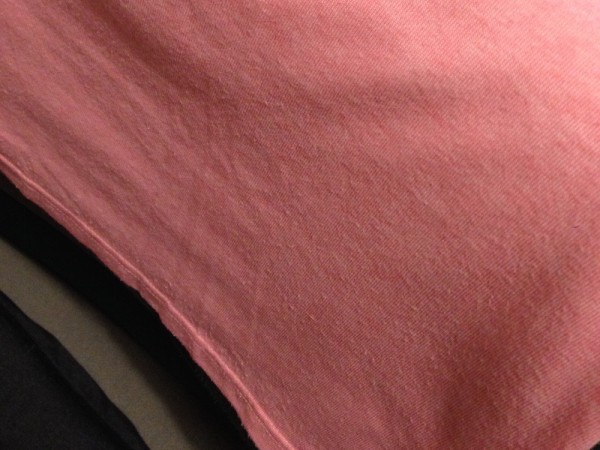
It cleaned the area quickly. For large sections, a proper machine is easier than razors or sponges.
Quick care notes
- Keep the fabric flat so you do not shave through folds.
- Start on a hidden spot to check how aggressive the tool feels.
- Corded models are powerful; avoid seams and doubled fabric to prevent holes.
Amazon Japan listed this Tescom cleaner at about 3,000 yen, vs. ~1,000 yen for battery models. No battery swapping, lots of power—no wonder it had hundreds of reviews.
Types of lint removers
Manual lint scrapers
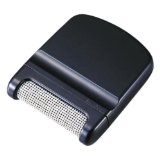
You scrape by hand, similar to catching pills with a coarse sponge. About 600 yen on Amazon; similar ones exist at 100-yen shops. One reviewer said it works best on fine pills on polyester or rayon knits, not on chunky wool pills.
Battery lint shavers
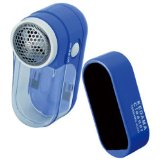
A familiar style around 1,000 yen. Most use two AA batteries now (rechargeables make sense); older models sometimes took C batteries. As the batteries fade, the blades slow down and can snag.
Corded or rechargeable lint removers
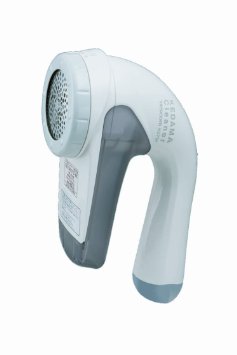
This corded Tescom blew me away—much more powerful than the battery types. The cable actually extends from the handle; the photo hides it.
They cost roughly 2,000–3,000 yen, the priciest tier in this little niche. Some similar models are rechargeable; reviews note battery wear over time.
Who makes lint removers?
Tescom and Izumi both have factories in Shenzhen and in Matsumoto, Japan, so they likely share some manufacturing know-how—their corded/chargeable models even look alike.
A quick look at Tescom
Wikipedia describes Tescom as a mid-size Japanese home appliance maker based in Shinagawa, Tokyo, and notes its “Nobby” brand for pro salon tools.
- Beauty: hair dryers, clippers, hot rollers
- Kitchen: mixers, juicers, hot plates, toasters, sake warmers, food processors, electric kettles, sandwich presses
- Cleaning: lint removers, warm-air dryers
- Relaxation: foot massagers
Most products are around 5,000 yen—small appliances that sometimes compete with Panasonic. The mix of lower prices and lesser-known branding can make Tescom look “minor,” but their dryers and mixers get strong reviews on Amazon Japan.
Their site even has how-to guides for curl dryers and irons, though the mobile layout is rough. After this deep dive I like the brand more; I will give Tescom a closer look next time I shop for kitchen gear.
One year later
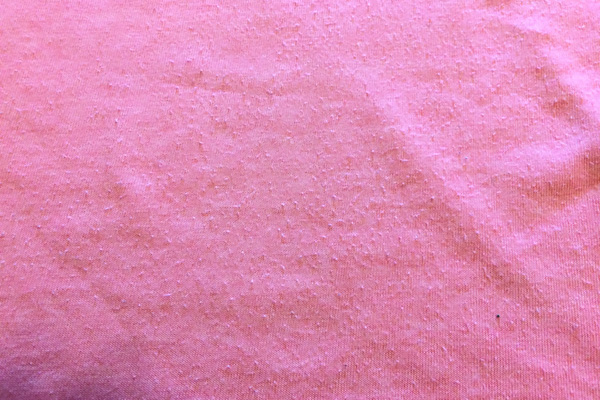
I kept wearing the pink tee and tiny pills appeared again.
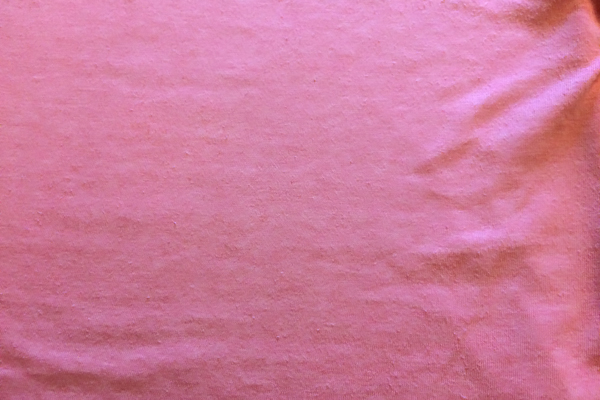
Another round with the Tescom shaver made it tidy again. I will keep wearing this one until it gives up.