Understand SPF and PA to handle sunburn and UV care
I grew up indoors and never cared about tanning—especially as a guy. Now I’m outside with the kids and roasting. In the ‘80s–’90s we praised deep tans; now research says too much UV harms the body, so even kids wear sunscreen and don’t get left in direct sun.
Sunscreen labels made zero sense at first
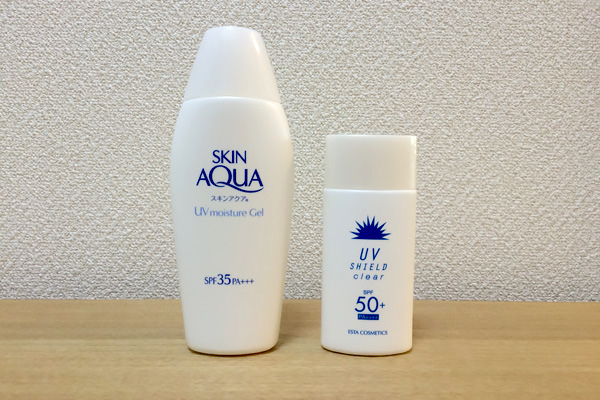
At the drugstore I noticed “strength” differences. Some claim “Never burn!!!” while others tout texture like regular cosmetics. The “strong” ones come in small, pricey bottles. Labels say SPF50 and PA++++. Higher numbers/symbols must mean stronger, but how strong do I need?
My use case: outside 10:00–17:00 in parks/fields. I don’t need a perfect no-tan, but I don’t want to become a spotty grandpa. “Protect if reasonable.” Researching SPF/PA brought up UVA and UVB and my head spun. I only wanted basic protection, not a physics lesson—so I dug in anyway.
TL;DR up front
Use more sunscreen than you think—face alone needs a 500-yen coin amount
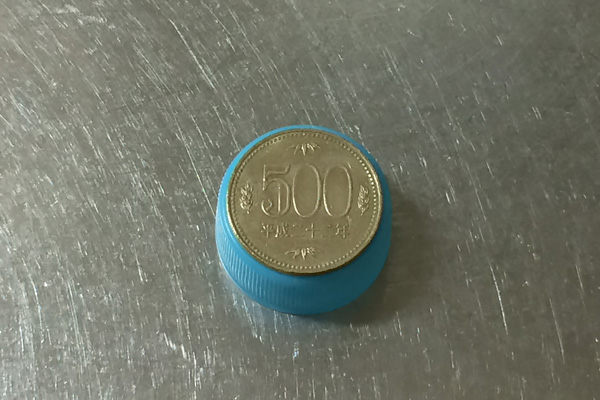
SPF/PA tests use a set amount:
- Face: one 500-yen coin (~bottle-cap)
- Both arms: another coin
- Legs: maybe 1.5 coins
If you wear short sleeves/shorts and want real protection, you need a big bottle. Skimping means you burn.
Reapply every ~2 hours
Sweat and friction remove product, so reapply roughly every two hours.
My choices
- Heavy sweater
- Outdoors a lot
- Don’t use parasols, etc.
On paper I’d need SPF50+, PA++++ (max). That’s pricey, and I don’t mind a little tan, so I’ll settle for cheaper, larger SPF30 / PA+++ and reapply. Gentler on skin and fine for kids if you’re careful.
UV basics
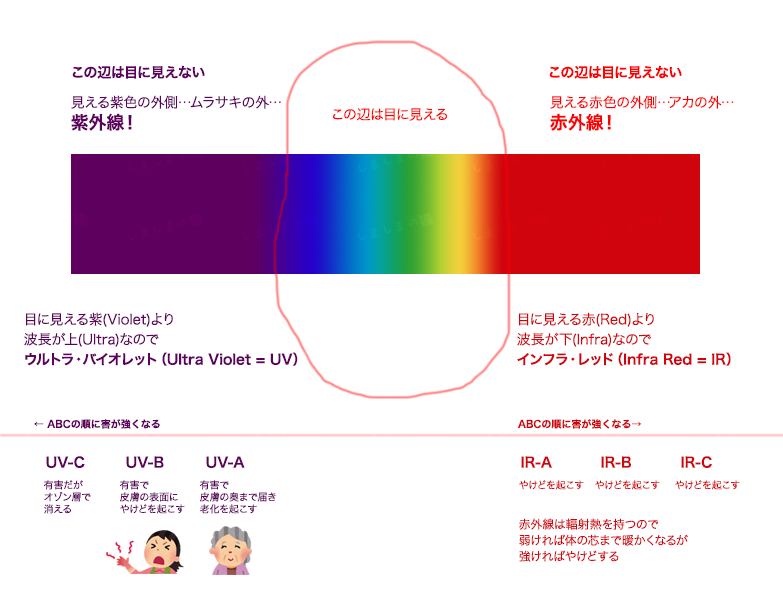
Light we see has a range; beyond it we get “infrared” (beyond red) and “ultraviolet” (beyond violet). Ultra (beyond) + violet = UV.
UV itself has bands; as wavelength shortens you go A → B → C: UVA, UVB, UVC.
UV-C (UVC)
Farthest, strongest sterilizing effect. Think of the blue lights in some hand dryers—those are germicidal lamps (though the one on Wikipedia photo looks orange).
UVC damages skin and eyes (cataracts). Kids stare at lights in dryers, so newer models drop them. Shoe cabinets in clinics now use UVC to sanitize slippers—makes sense since viruses fall to the floor.
Thankfully, the ozone layer blocks UVC; none reaches the ground.
UV-B (UVB)

UVB causes burns: “sunburn” at first, “thermal burn” if severe—both hurt. Like most damaging stimuli, it also raises skin cancer risk.
UV-A (UVA)
 →
→ 
UVA doesn’t feel hot or painful; it passes the surface into the dermis and triggers melanin to darken skin. Tanning beds use UVA; I assumed they were hot or painful—apparently not.
UVA was once dismissed, but research shows it accelerates aging. Think of mountaineers or Tibetans with leathery skin—that’s UVA.
SPF and PA: what they actually mean
SPF = Sun Protection Factor (protects from UVB). PA = Protection grade of UVA (protects from UVA).
So SPF ≠ PA—they cover different rays.
Quick summary table
| UV type | Main effect | Protector |
|---|---|---|
| UVA | Darkening, aging | PA (Protection of UV-A) |
| UVB | Burns (sunburn) | SPF (Sun Protection Factor) |
| UVC | Strong sterilization | Ozone layer blocks it |
Images for memory:
- UVA
- UVB
- UVC

PA (UVA protection)
Shown as plus signs, four tiers:
- PA+ … some protection
- PA++ … fairly strong
- PA+++ … very strong
- PA++++ … extremely high
Wikipedia lists numbers:
- PA+ … PPD 2–4
- PA++ … PPD 4–8
- PA+++ … PPD 8–12
- PA++++ … PPD 12+
PPD = minimal UVA dose to darken skin. PPD10 (PA+++) means you need 10× the usual UVA to tan.
SPF (UVB protection)
Numbers run ~1–50. SPF1 = UVB dose that reddens skin; SPF10 = 10× that dose. SPF30 vs SPF50: the “shield strength” is similar; the difference is how much UVB dose it delays.
Pitfalls with SPF/PA
Amount applied
Tests apply 2 mg per cm² of skin. Use less and you don’t get the labeled protection.
My forearm (front) is ~7 cm × 25 cm = 175 cm². To match tests, I’d need 350 mg there. If density ≈ water, that’s 0.35 ml—about 7 drops of eyedrops:
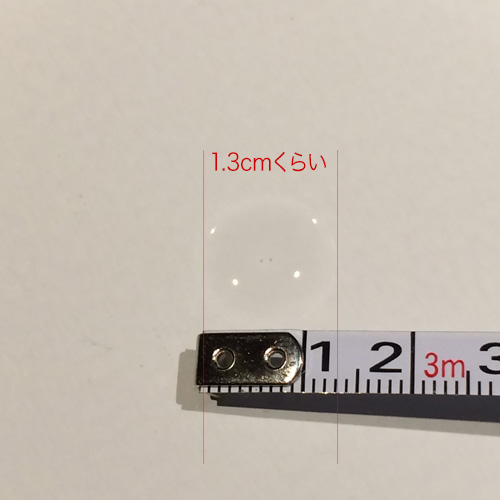
That’s ~1 yen coin size for one forearm surface. Both arms, front/back = ~0.7 g—about a 500-yen coin.
Add legs and you need another coin or two. Skimping = burning.
And you must reapply
Sweat, clothing, and UV degrade product. Advice is about every 2 hours—but it varies by skin and conditions. Someone who burns in 5 minutes vs 30 minutes will get different mileage from SPF10. Heavy sweaters lose it faster. If unsure, reapply often; otherwise test your skin’s limits.
High SPF/PA ≠ “lasts all day”
- SPF1: skin reddens in ~20 minutes without protection
- SPF10: delays that to ~200 minutes
It only delays; you still accumulate exposure. To really avoid burns, pair sunscreen with shade, hats, sleeves.
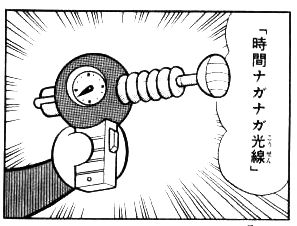
Think of it as a “time-stretch beam,” not a perfect shield.
When UV is strongest
TV often says “May UV is stronger than you think!” I thought that was just to sell cosmetics. May is strong. Sorry for doubting.
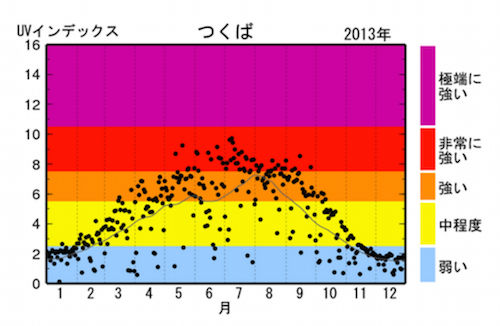
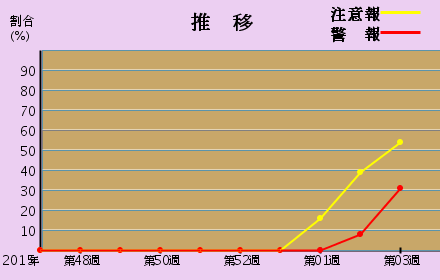
The Japan Meteorological Agency posts daily UV index graphs. Switch to Tsukuba for Kanto. The peak is in July–August, but May–June already hits the orange “strong” band. June 21 (solstice) is longest daylight, so clear June days may be the strongest UV—beware those bright breaks in the rainy season.
UV index guidance: 3+ means “avoid direct sun.”
UV health damage prevention (JMA)
After-sun care
Overdo it and skin stings, body feels hot, sleep suffers. I used to just cold-shower, apply a watery lotion, and drink water. Turns out that’s about right: cool, moisturize, hydrate.
I now use a thicker lotion (borrowed from my wife):
- Johnson Body Care Lasting Moisture Lotion (~¥300, feels moisturizing)
For bad heat, treat it like a burn: chilled damp towel or cold pack. Even if you’re not thirsty, drink water—sunburn dehydrates skin.
Summary
- UV is strong in May–August (June can be nastiest on clear days).
- Labels vary by how you use them; if worried, test on your own skin.
- Apply generously.
- Reapply about every 2 hours.
- Given usage, buy larger bottles: pump for home (140 g+), small (50 g) for outings.
Pump/portable searches (JP Amazon):
Beach oils (“suntan oil”) typically only cut UVB, so they prevent burns but still tan; they list SPF (often just 2!) and no PA.
Extra-strong sunscreen
日焼けどめでオススメしたいのがこちら。今日60キロ自転車で走った上に一日中外(しかも海)で撮影していましたがグローブ焼けどころか一切焼けてない。紫外線A波B波以外にロングUVも防いでくれる。朝塗ったきり塗り直してないのに焼けない。 pic.twitter.com/orJvf8gdF6
— リライ (@rely_w) June 4, 2016
The photo shows La Roche-Posay. No tan lines after 60 km of cycling and a full day at the seaside—wild. It’s ~¥4,000, but if you “absolutely won’t burn,” this level seems required.