White specks in my tea pitcher weren’t mold—they were limescale
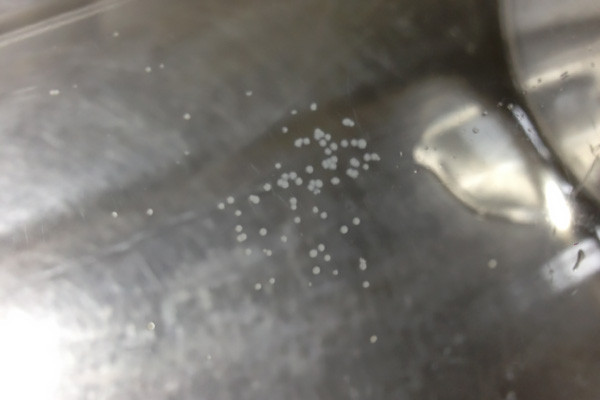
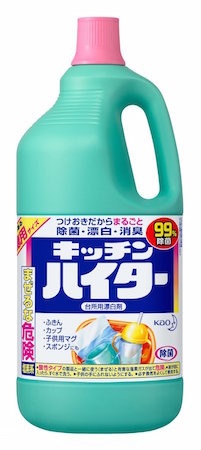
We cold-brew and sometimes simmer tea at home. White spots appeared on the pitcher walls. I first feared mold, but it’s just limescale from tap water—no wonder bleach (kitchen chlorine) didn’t budge it.
Why it shows up
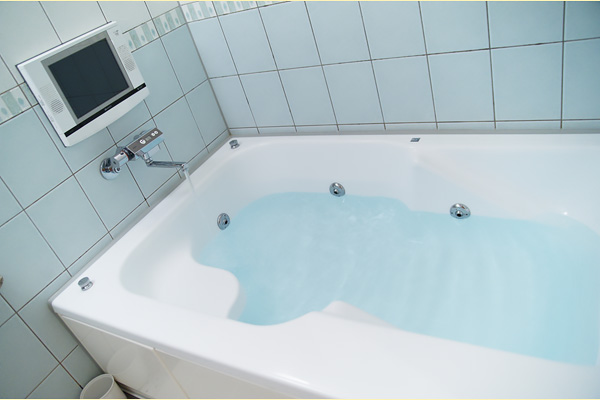
- Same stuff as bathroom water scale: calcium from chlorinated tap water.
- Plastic pitchers scratch easily; micro-scratches trap minerals, which grow into white bumps even while tea is inside. I’m using the Muji acrylic cold-brew pitcher—smooth, but still got peppered on the sides and corners over time. Glass scratches less.
It’s not just barley tea
Google searches show “barley tea pitchers” full of white dots, but I saw them with bottled blends like Juroku-cha too. Any tea + mineralized water can do it.
Does the tea type matter?
Google’s sidebar nutrition panels come from Japan’s Standard Tables of Food Composition via fooddb.mext.go.jp. Minerals per 100 ml:
| Tea | Na | K | Ca | Mg |
|---|---|---|---|---|
| Barley tea | 1 | 6 | 2 | 0 |
| Juroku-cha | 12 | 7 | 0.8 | 0.7 |
| Green tea | 1 | 29 | 4 | 1 |
| Hojicha | 1 | 24 | 2 | 0 |
| Genmaicha | 2 | 7 | 2 | 1 |
| Bancha | 2 | 32 | 5 | 1 |
| Gyokuro | 11 | 2,800 | 390 | 210 |
| Sencha | 3 | 27 | 3 | 2 |
| Black tea | 1 | 8 | 1 | 1 |
Hojicha and green tea actually have more potassium than barley tea. If tea minerals were the main cause, gyokuro would probably fossilize the pitcher, but I don’t brew that daily.
Cleaning and prevention
- Melamine sponge (Magic Eraser) scrubs it off fast; citric acid/lemon/vinegar soaks also work on limescale.
- Avoid aggressive scrubbing that adds more scratches; switch to glass if you want fewer scratches altogether.
Water and minerals
We make two cold-brew batches: one with bottled mineral water and one with filtered tap water. Both got white bumps. Tap water carries more calcium/chlorine, so it likely scales faster. “Chlorine” here is calcium hypochlorite (pool sanitizer). FYI “hypo” can also mean sodium thiosulfate—the fish-tank dechlorinator—different “hypo,” same Greek prefix for “less.”
Minerals in 100 ml of water:
| Water | Na | K | Ca | Mg |
|---|---|---|---|---|
| Tap (Tokyo) | 1.45 | 0.27 | 1.73 | 0.37 |
| Bottled water | 0.83 | 0.12 | 0.46 | 0.19 |
I even boiled hojicha once and didn’t see bumps—maybe the boil drove off chlorine, or maybe it’s just random. Rough sums of tea + water minerals still weren’t conclusive:
| Combo | Na | K | Ca | Mg |
|---|---|---|---|---|
| Juroku-cha + bottled water | 12.83 | 7.12 | 1.26 | 0.89 |
| Hojicha + boiled tap water | 2.45 | 24.27 | 3.73 | 0.37 |
| Hojicha alone (for reference) | 1 | 24 | 2 | 0 |
Takeaways
- The white dots are mineral scale, not mold.
- Source could be tea or water; either way, scale is alkaline, so hit it with acid (citric/lemon/vinegar) or a quick melamine scrub.
- Scrubbing makes more micro-scratches; glass pitchers scratch less if the spots bug you.
- And if you’re lazy: a Magic Eraser takes it right off.