Norovirus prep for homes with small kids: what to keep on hand
Norovirus hits hard: 1–2 days of diarrhea/vomit/abdominal pain (fever usually low). Healthy adults can ride it out, but infants/elderly/immunocompromised can choke on vomit or worsen quickly.
Quick reality check on noro
- Winter spikes but present year-round; a few dozen particles can infect.
- Alcohol hand rubs are unreliable; soap + running water is safer.
- Survives on floors/clothes for ~1 month.
- Weaknesses: heat ≥85°C for 1+ minute; sodium hypochlorite (bleach).
What we keep stocked
- Bleach, two strengths: diluted (~200 ppm) for routine wiping; strong (~1000 ppm) reserved for incidents.
- Disposable paper towels (don’t reuse cloths during outbreaks).
- Disposable gloves (nitrile/latex) and masks; plenty of trash bags.
- Optional: iron/steam small fabrics for heat treatment.
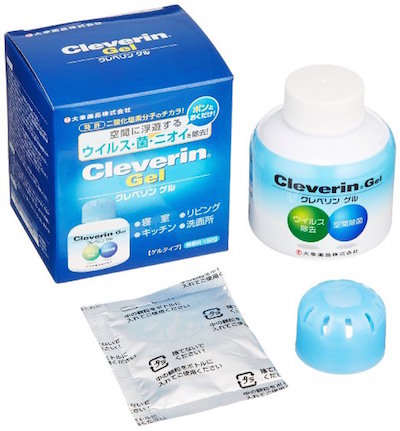
Bleach is alkaline; dilute correctly and ventilate. Hypochlorite also deodorizes (diaper pails, pet areas, smoke).
Go-to products (JP examples)
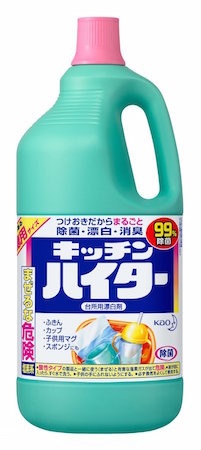
- Bleach: standard “Haiter”/“Kitchen Haiter” (same hypochlorite strength). For ~200 ppm: water 5 L + 2 caps; for ~1000 ppm: water 1 L + 2 caps.
- US Amazon equivalent:
- Do NOT use enzyme/oxygen bleach (e.g., green-pack “Wide Haiter EX”)—ineffective on noro.
- Foam kitchen bleach: direct spray already >1000 ppm; handy for spot decon (floor, toilet, doorknobs).
- Hypochlorite spray (~200 ppm): e.g., “Wilbas” for daily surfaces.
- Hypochlorous water concentrates: e.g., “Att Clear” (400 ppm) to dilute 20–400 ppm per instructions.
- Vomit solidifier: e.g., “Outolock” gels vomit and claims virus inactivation—makes cleanup easier in homes/daycares.
Basic procedures
- Routine hygiene: wipe high-touch surfaces with ~200 ppm bleach; wash hands with soap and water.
- Incident (vomit/feces): ventilate, apply ~1000 ppm bleach, let sit, then wipe; dispose of towels/gloves in sealed bags. Avoid splashing—noro aerosolizes easily.
- Heat: for small items (handkerchiefs), iron/steam after washing.