Sodium hypochlorite (bleach) kills norovirus—and it’s banned for sesame
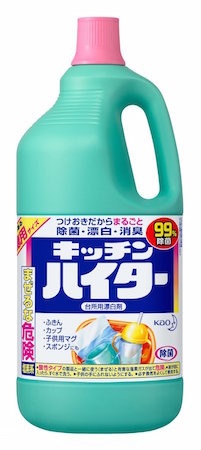
Bleach (sodium hypochlorite) is alkaline despite the “acid” in its name and oxidizes viruses—effective on norovirus-contaminated surfaces. Some “space disinfectant” gimmicks even used it and caused chemical burns when sweat hit the chemical.
While reading up I tripped over a quirky rule: don’t use sodium hypochlorite on sesame. People once bleached black sesame to sell it as pricier “white” sesame; the ban remains, and industrial labels still say “Do not use on sesame.” The additive standards also ban sodium sulfite for the same reason. (JP source: MHLW notice, 1971-11-08)
What I dug up along the way
- Household bleach bottles didn’t show the sesame warning; an industrial product (Kenmix 4) did: “Do not use on sesame.”
- Wikipedia’s sesame entry: 99.9% of sesame used in Japan is imported; Kikai Island has sun-dried “Sesame Street” roads; “open sesame” might have a risqué origin.
- Someone on NicoNico even demoed bleaching black sesame—time-consuming but apparently profitable back then.
Norovirus disinfection reality
- A national lab report compares heat, UV, gamma, hypochlorite, alcohol, ultrasound, etc. Hypochlorite is the most accessible/effective at home. Norovirus can’t be cultured, so feline/canine calicivirus stand in for tests.
- Alcohol (even 70–80%) shows mixed results; it can work with enough contact time, but reports conflict. Good for general hygiene, not as the only norovirus killer.
- Hypochlorite works when mixed right: ~200 ppm for routine surfaces; ~1000 ppm for vomit/feces cleanup. Many city guides (e.g., Hiroshima, Shimane) publish dilution instructions—ventilate, glove up.
Related tools I noted
- Ethanol spray “Dover Pasteuriser 77”: food-safe, ~77% alcohol; great for kitchen sanitizing and even wiping glass. Not guaranteed on norovirus, and it can leave white marks on flooring.

- Hypochlorite spray “Wilbas” (200 ppm): fine for daily surfaces/deodorizing, slight chlorine smell.

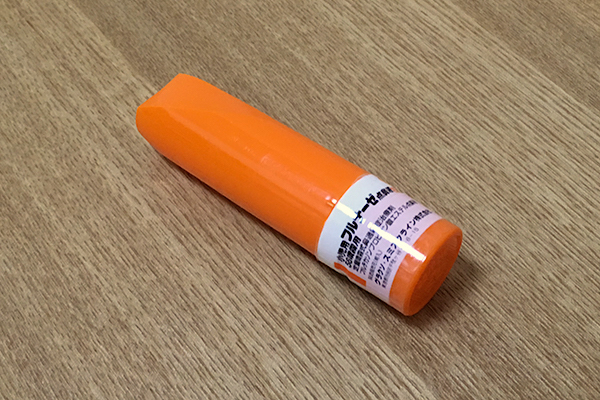
- Vomit solidifier “Outolock”: gels vomit and claims virus inactivation—handy for homes/daycares.

Use/handling reminders
- Dilute hypochlorite correctly; avoid metals/electronics (corrosion).
- For vomit cleanup, use ~1000 ppm hypochlorite plus absorbent/solidifier and dispose safely.
- Food-additive status ≠ blanket OK—check permitted uses (like the sesame ban) instead of assuming “edible means any food.”