Superfeet fixed my nocturia after I fixed how I walk
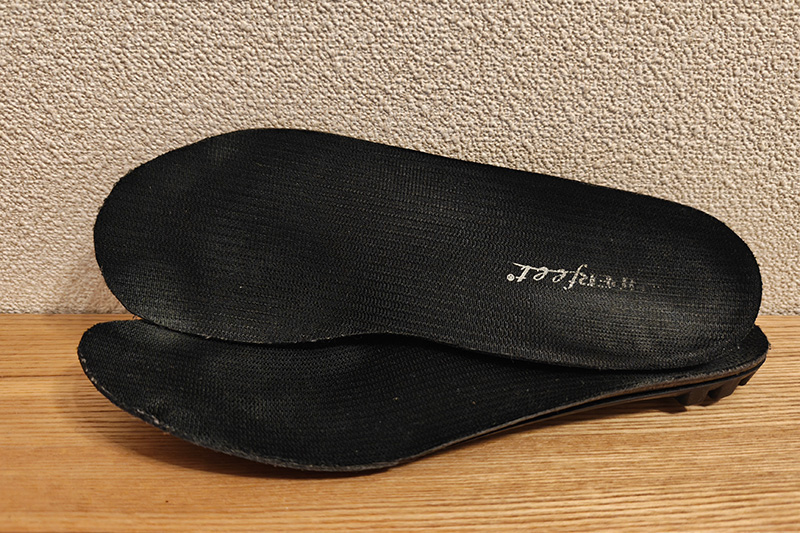
Once I hit my 40s, I started waking up early to pee every now and then. I figured I’d just drunk too much water, but even when I cut back I still woke up. If I get up at that awkward hour, I end up dozing until the alarm and stay sleepy all day.
After I started doing brisk walks and correcting my gait, it slowly went away—now I sleep through 100% of nights.
TL;DR
- Corrected foot alignment with insoles
- Trained my toes so they actually work
- Calf pump started firing properly, and the night bathroom trips stopped
What it felt like
I’m a desk worker. I commute but barely stand during the day.
The night bathroom trip usually hits about 6 hours after going to bed. I want to keep sleeping, but the urge wakes me. Even if I try to hold it, I end up going—and barely anything comes out (rude).
I don’t have any illnesses or chronic conditions. Health checks always come back clean.
It doesn’t happen every night. Some nights I wake up, some I don’t—totally random. I could stay up late and restrict water to force myself to sleep through, but that just cuts into sleep and I don’t feel great.
Cutting water too much was a bad idea
Waking up to pee at night is annoying. Since water causes pee, I tried reducing it.
My trick was: one glass of water at dinner, and don’t even finish it. That let me sleep through most nights, but my first pee in the morning turned a dark brown.
Yeah…that’s probably thick blood. Mild dehydration.
During the day I drink whenever, not tracking amounts—likely not much, just sips with meals.
In the long run that plan felt unhealthy, and skipping water at dinner (which is usually salty) was just plain unpleasant. I dropped the idea.
I suspected protein shakes
I strength train once or twice a week, whenever I feel like it. I’d diligently chug protein afterward, but workouts inevitably happen in the evening. Classic office worker problem.
Protein is, well, protein. When it’s broken down, the leftovers become urine. Am I literally supplying more pee? Plus I’m mixing it with milk—more liquid, in the evening.
Having both dinner and a shake felt heavy, and the next morning’s bathroom trip was guaranteed. So I moved the protein to breakfast.
Maybe that helped a bit, but post-workout hunger and thirst make me drink a ton anyway. Not a clear win.
I was already walking, but…
I’d do light walks, and like in my older post, I’d swapped insoles and tried to be mindful of how I use my feet.
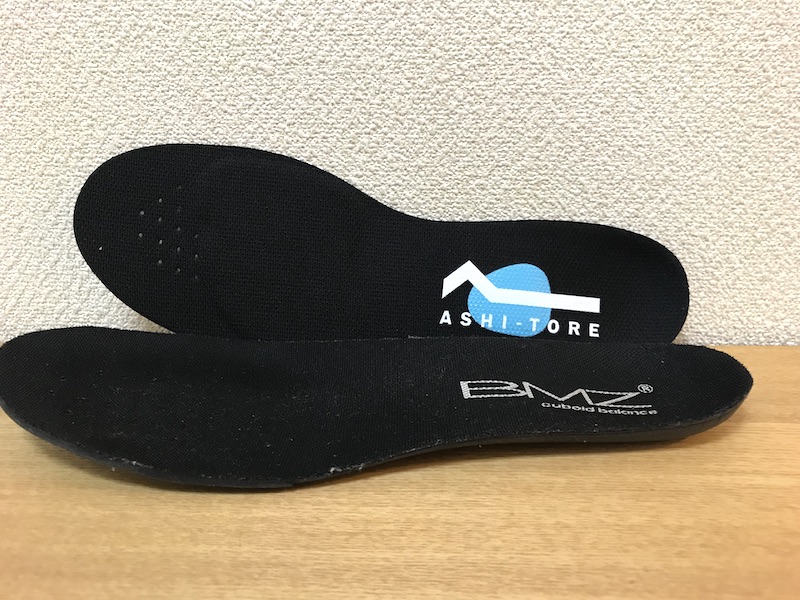
BMZ insoles (Japanese brand) slightly lift certain bones and add cushion under the ball of the foot so you naturally use your toes. I walked by really pushing off with my toes.
My big toe would get pretty tired from kicking off. I also did towel scrunches—tugging a towel with my toes. I thought my foot muscles were building up.
But my foot use differed between “I’m going for a power walk!” and “just shuffling around,” and after a day of casual shopping I might still wake up to pee.
Maybe I had “floating toes”
At home, barefoot, I noticed some toes weren’t touching the floor. In Japan this is called “floating toes” (toes that don’t make contact with the ground). Wait, I’ve been using BMZ “Ashitore” and paying attention to my gait—yet barefoot looks like this?
When I walked barefoot, my big toe had force but the others didn’t. My index toe floated about 5 mm all the time, and it had almost no strength. If I nudged it with my hand, it moved easily—even while standing.
This felt wrong—right around then I bought Superfeet.
Superfeet made my calves sore overnight
I’d heard Superfeet (an American insole brand) stabilize the heel, but the first time I stood in them I felt an unfamiliar, corrective pressure. Same shoes, different alignment.
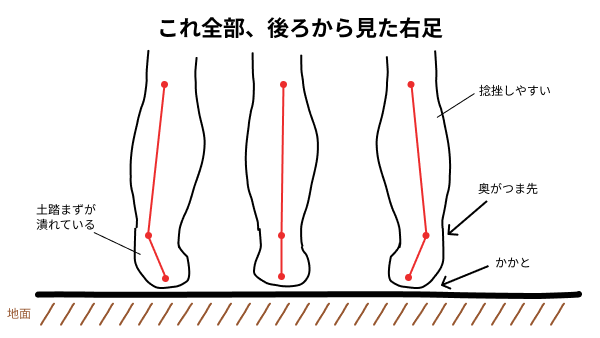
I overpronate. I’ve had flat feet since I was a kid and never used my feet well, so I wanted to train my plantar muscles.
I thought other insoles had been training me, but once I put in Superfeet and did brisk walks, my calves got sore. The soles of my feet tightened up too.
It’s like I’d been “training with bad form” before. With the heel corrected, just walking finally hit my calves and plantar muscles properly.
One month later, no more night bathroom trips
After a month of wearing Superfeet and doing a slightly faster 30-minute walk most days, the floating toes went away. Even barefoot at home, all toes naturally grip the floor. I used to push off mainly with the ball of my foot, so my calves weren’t engaged. Now that I use all toes plus the whole sole, my calves squeeze on each step.
I skipped walks on weekends or rainy days. Some weekdays got busy too, so it wasn’t perfect—but the night bathroom trips stopped. My guess: more calf muscle + unconsciously using calves in daily life made it easier to pump fluid out of my legs.
Calves are often called a “second heart.” Humans spend most waking hours upright, so blood pools in the legs. The calf works like a pump to push that blood and fluid back up.
- What is the “second heart”? Train your calves | Mitani Internal Medicine & Cardiology Clinic (JP)
- Good exercises for the “second heart” 🕺🕺 - Nakagawa Internal Medicine Clinic (JP)
Doctors talk about this everywhere. In my case, improving that pump seems to have stopped the wake-ups.
Superfeet’s corrective feel
If I wear Superfeet daily, my feet get used to them and I feel nothing. But if I wear other shoes for a few days then swap back, I sense odd pressure around the heel. It fades after a bit, but it reminds me they’re correcting heel tilt.
I’ve tried other insoles with plastic heel cups, but only Superfeet give me this sensation.

You often see Dr. Scholl’s insoles near supermarket registers. They use thick, soft material at the heel to absorb impact and reduce fatigue.
They feel nice, like walking on carpet instead of bare flooring, and maybe reduce fatigue—for short use.
Compensation makes you more tired
For long periods, though, they’re tiring. Humans get fatigued just by standing, so we twist into slouchy poses to spread the load. That’s “compensatory movement”—when muscles or joints can’t work right, other parts overwork to cover.
Problems from compensatory movement | Japan’s Health and Longevity Network (JP)
My misalignment starts at the ankle—think of a slightly tilted Jenga stack. If I stand like that for long, calves, lower back, and all sorts of spots ache. I’d shift posture to cope.
But the Jenga is crooked. Put soft gel under a crooked Jenga and it wobbles more (maybe the block touching the gel feels comfy, though).
Superfeet try to fix that tilt so you get a stable Jenga—a straighter joint stack—letting you stand “on the bone,” like a solid prop. That’s more efficient than burning muscle on compensations, so I get less fatigued and can stand straight longer. Bonus: I look better.
Wrap-up
Waking up before dawn to pee is brutal. If you can fall back asleep and get 8+ hours, fine—but if you can’t, you’re just sleep deprived.
Cutting water isn’t healthy. You can tweak food and drink timing, but I fixed it with walking.
Random strolling didn’t work, though. I had to push off with every toe and really use my calves. If your ankle or heel is misaligned, your calves can’t fire at 100%, so I used Superfeet to correct that. Once the tilt and weird habits were gone, even on days I skipped walks I stopped waking up to pee. Personal experience only—talk to a doctor if you have medical concerns.
Picking a Superfeet color
![[Superfeet] インソール 【正規代理店商品】 All-Purpose Support High Arch 衝撃吸収 スポーツ 競技 グリーン GREEN C(23-25cm)](https://m.media-amazon.com/images/I/31Oq8ZKCsdL._SL160_.jpg)
![[Superfeet] インソール 【正規代理店商品】 All-Purpose Support Low Arch 衝撃吸収 スポーツ 競技 ブラック BLACK C(23-25cm)](https://m.media-amazon.com/images/I/31ZHWpKYXNL._SL160_.jpg)
Superfeet come in a few types. I use Green and Black, and I tried Orange and Blue at a Montbell store (a Japanese outdoor retailer where you can test-fit them). For a first pair, I recommend Green (it’s a bit thicker).
I bought Black because the bright Green shows when you take your shoes off, but the thinner Black feels a bit less supportive—the heel correction feels weaker. If you want maximum correction, go Green.