Tackling high-pitched tinnitus--what helped me
I dealt with right-ear tinnitus for 7-8 years. A university hospital found no obvious cause, and some nights the noise kept me awake. In my case it was muscle-driven, and I was able to quiet it.
In short:
- Cause: tight levator scapulae muscle.
- Root of that tightness: bad posture causing straight neck (forward head).
- Fix: keep the chin tucked to reduce muscle load.
Tinnitus has many causes, so this may not match your case. But if you have a similar pattern, maybe this helps. Here is what I tried.
When I first noticed it
Years ago I heard a faint “chiri… chirichiri…” in another room and thought my wife’s CRT TV was humming. It wasn’t. The sound only came from my right ear and grew into Morse-code-like “pi-pi, pee-pee-pee” beeps. Oddly, turning my head right made it louder; turning left stopped it. Sleeping on my left side masked it for a while, but it worsened, so I went straight to a university hospital (figured smaller clinics might lack the gear).
University hospital visit
Result: “No abnormalities.” I got vitamin tablets to improve blood flow, the common first step when the ear itself looks fine. They did nothing for me.
Tried acupuncture
Next I tried acupuncture. I told the acupuncturist about the head-position effect; they suspected a muscle cause and needled the right neck and shoulder (they even checked a reference book while needling—it was a cheaper clinic, lesson learned). No change after two sessions, even with moxa. I stopped going.
Exercise
I stumbled on something: light jogging for ~30 minutes sometimes softened the tinnitus. I sit at a desk and always have shoulder stiffness, so I kept jogging, thinking it might be muscle-related. I also swam and lifted at the gym. A massage therapist there said my shoulders/back were stiff and asymmetric and suggested bilateral breathing when doing crawl. Sometimes exercise helped; other times no change. Often after weights, there was no relief, which puzzled me.
Pressing acupoints myself
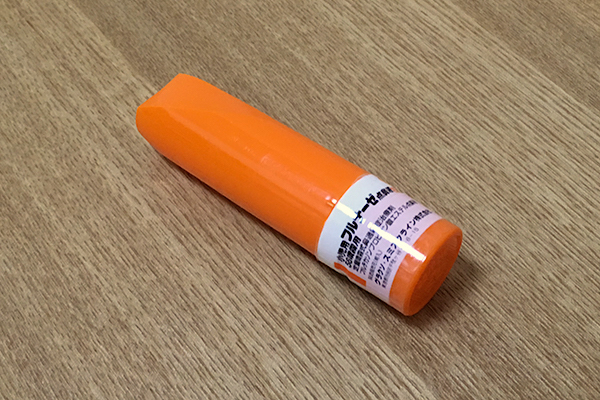
As it worsened I studied neck/shoulder muscles and acupoints, and I started using press-on needles (enpishin) (details here). I massaged around the ear, scalp, and behind the ear/neck. One temporary but instant relief trick: rub Vantelin liniment behind the ear down to the nape. Other ointments failed; Vantelin worked for about three hours, useful when I couldn’t sleep. The spot is around the mastoid process (the bony nub behind the ear that feels good when a hairdresser presses upward).
Read about “straight neck”
While digging into shoulder stiffness I found “straight neck” (loss of cervical curve) common in phone/PC users. Some articles said you can spot Japanese people abroad by this posture. Advice included pushing the chin back with a finger and placing a rolled towel under the neck at bedtime to restore the curve. I adopted both daily, and the tinnitus started to ease—looked like posture was a key cause.
Relapsed
I quit the gym to save money and did home workouts instead. After ab-wheel rollouts or push-ups, the once-quiet tinnitus returned. At the gym I’d felt neck/shoulder soreness after weights; now the muscle link seemed clear. If I skipped strength training and stuck to chin tucks and the towel pillow, the noise calmed again. Doing ab-wheel would flare it the next day with muscle soreness.
Rollouts strain several muscles, and I was really bracing with neck/shoulders. Anatomy diagrams pointed to the levator scapulae. When it tightens, it can press nearby nerves and trigger tinnitus.
Studied the levator scapulae


Levator scapulae muscle - Wikipedia
Library books helped more than scattered web tips. The levator scapulae runs from neck to shoulder, lifts the scapula (shrugging), and is often labeled a “shoulder-stiffness muscle” in books. No wonder massaging that spot felt good. The sternocleidomastoid (runs from below the ear to the collarbone) also connects near the ear, but it wasn’t my culprit even though I tried massaging/heating/stretching it early on.
Loosening the levator scapulae
Acupoints for tinnitus/shoulder stiffness like Fuchi, Eifu, and Kankotsu line up with the levator scapulae attachments. I focused on the muscle rather than the point names.
Many guides say to use a tennis ball on the neck/skull base, but the contact area is wide and misses the deeper muscle. I own some home massage tools; this one worked best for me:
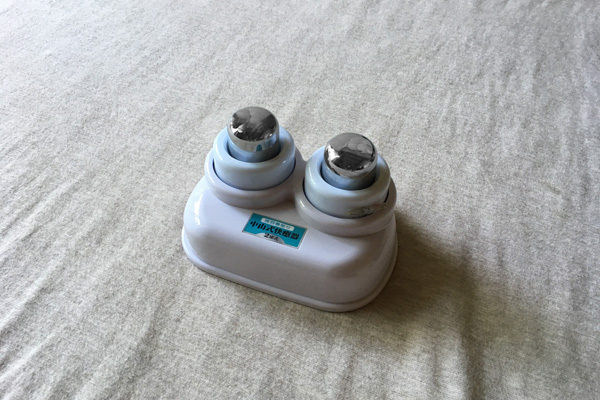
Nakayama Kaiyuki (2-ball, neck version)
. I lie on it face up, place it at the skull base, tuck the chin, relax, and stay for 5-10 minutes. It clears my head and calms the tinnitus. The manual warns “Do not fall asleep while on it”—I thought who would sleep on this? Turns out you can if you relax too much.
If you want to go harder
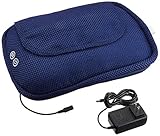
I also use a cushion-style electric massager. When the noise is bad, I set it on the couch or bed and work it up the neck toward the head for about 15 minutes, adjusting head height with cushions. Too much can cause dizziness, but in moderation it lightens the head.
Relaxing the levator scapulae (sleep)
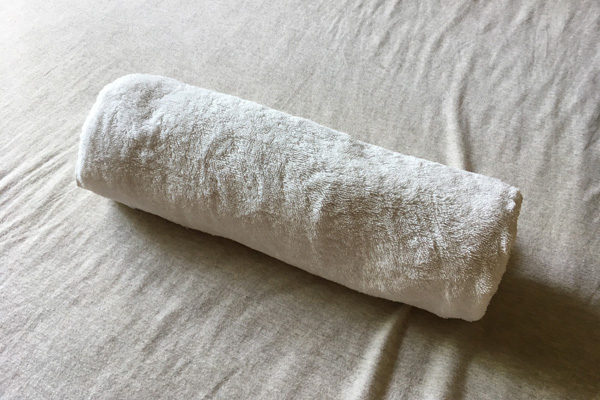
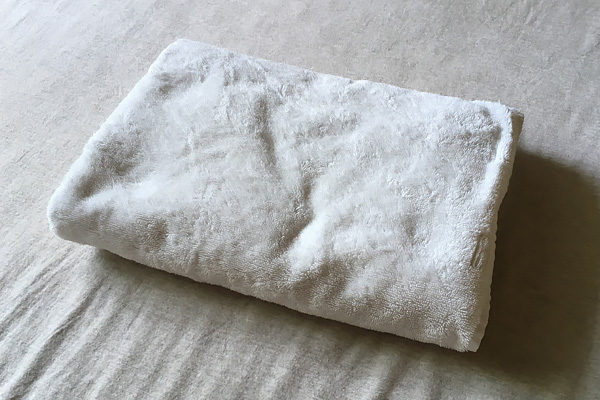
I tried various pillows. Sometimes I woke with tinnitus even if I was fine at bedtime, likely from overnight shoulder tension. Regular buckwheat or memory-foam pillows did nothing. A well-known straight-neck fix worked best: a tightly rolled bath towel tied with string, placed under the neck. It reintroduces the cervical curve and, for me, relaxed the neck so I slept better. Downside: useless if you sleep on your side. Now that things have improved, I just fold a towel as a pillow:
Relaxing the levator scapulae (work)
After learning about straight neck I watched my posture. The spine should have an S-curve so the skeleton carries weight; with a straight neck, muscles do more work to hold up the head.
At my desk I often craned my neck forward, forcing neck/shoulder muscles (including the small levator scapulae) to hold the head, leading to quick stiffness. To fix it I first pushed the chin back with a finger to regain the cervical curve (tip from an article). That makes slouching uncomfortable, so I experimented and landed on sitting deep in the chair with more recline, like a car seat. Upright “perfect posture” is tiring for long periods; a reclined office chair with feet flat and armrests if available works better for me.
I also stretch at the first hint of neck/shoulder fatigue. Preventing stiffness beats fixing it. I lean on the Nakayama tool or the Omron massager proactively to avoid buildup.
Other notes
Carrying a child on my shoulders for long periods brought the tinnitus back. While carrying, I noticed I shrug a lot to keep balance. I explained the tinnitus to my kid and limit shoulder rides to short sessions.
Afterword
I finally identified the cause, fixed it myself, and found a prevention routine. These days I often go weeks without any noise, but if I slack on posture or overdo push-ups, the right ear may whisper “chi… chirichiri…” for a few days.
It took a long time to find the culprit. Searching “tinnitus cause” was too broad, so I went to a hospital early to confirm the ear itself was fine. Then an acupuncturist casually said “maybe muscle?” which sent me down the muscle/pressure-point path. Searching “tinnitus muscle” or “tinnitus acupoint” mostly yields fragmented tips like “overtraining caused mine, so I relaxed” or “press this point!”.
I tried every point I could find. Two behind-the-ear points, Eifu and Kankotsu, sometimes helped; I used press-on needles there, rubbed Vantelin, and massaged 10-20 minutes before bed.
I kept poking around the right ear muscles daily, but the hidden problem was straight neck from lousy posture. Jogging and massage couldn’t beat the daily strain of forward head posture.
Once I started fixing the straight neck, progress sped up. Knowing the exact muscle and motion at fault let me target them.
If your ears check out fine, stress is low, and you still have tinnitus, maybe it’s muscle-driven like mine. If your chin juts up/forward, shoulder stiffness from straight neck might be the trigger. In that case, try pushing your chin back during the day, add short easy jogs, and sleep with a rolled towel under your neck. Hope you can graduate from tinnitus.
After-afterword
While writing this I remembered other posture issues: I also have bowlegs and swayback. From top to bottom: straight neck, rounded back, swayback, bowlegs—a posture bingo. No wonder tinnitus and back pain happen.
For bowlegs, a book I bought four years ago worked instantly (thank you, reviews). It seemed to realign my hips; my thighs straightened. I had already been stretching nightly, so this was surprising. The book is old and cheap now:

I used to distrust these health books because there are so many, but good ones actually work and the review count proves it. If you search “rounded back,” “swayback,” or “body distortion” and pick well-reviewed books, those might help too.
Also, there may be hidden quirks (like my posture) causing tinnitus. Keeping the body closer to neutral may speed up finding the real cause without adding new worries.