How to Throw Out Plastic Storage Drawers: Don’t Saw Three, Pay the Fee
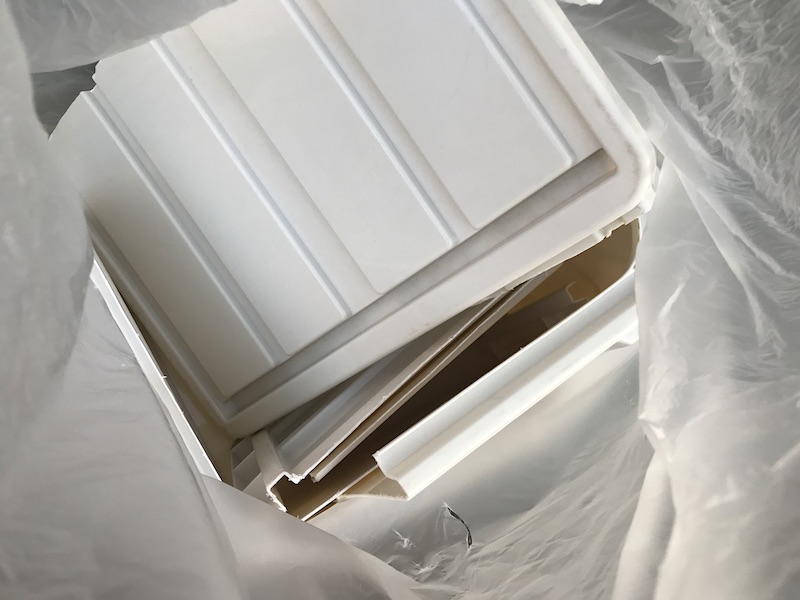
During Golden Week I swapped mismatched storage drawers for a unified set from the same maker—feels great. The old ones are obviously bulky waste, and it costs money. Blogs said, “saw them up and toss as plastic.” I tried. Verdict: do not do more than two.
Conclusion: cutting up three drawers is misery, just pay the fee
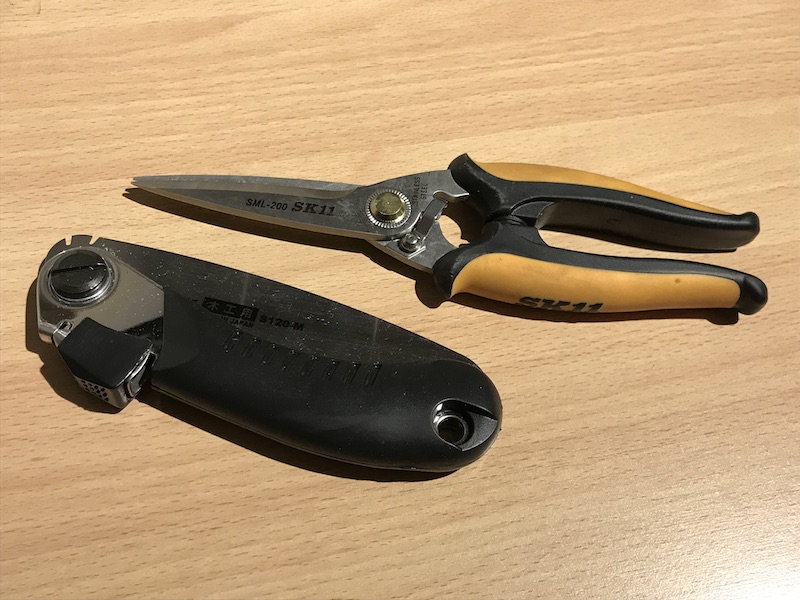
I wanted to toss three drawers. Bulky-waste pickup is about 1,000 yen here (maybe more; I didn’t even read the rules carefully). The internet says a saw and metal shears will let you chop them small enough for normal trash, so I bought both:
The inner drawers are softer plastic, so shears should be better than a saw. Reality:
The thickness jams the shears
The 3-5 mm thick plastic is springy. The blades get clamped and seize. You end up forcing them through at weird angles.
The rebound cuts you
Forcing the blades makes the plastic snap back. I got small cuts, and some sections cracked with a “barin!” leaving sharp spikes. To fit trash rules (longest side under ~30-40 cm), I had to cut each drawer into three rings, then cut the U-shaped corners—my hands were wrecked.
Corners are hard
Corners and reinforcement ribs are much stiffer. I had to brace with both hands many times. Zero grip strength left; guaranteed soreness the next day.
Outer shell is even harder
The outer case is rigid so drawers can stack. The saw was the only option, and it felt like cutting plywood. Each case had to be sliced into thirds, then each tube-like square cut at every corner to make flat panels. After the first case I wanted to quit. Total time: about an hour, drenched in sweat.
Sawing makes plastic dust
Saws make sawdust; here it’s plastic dust—static, sticks to everything, and never degrades. Work on bare concrete so you can sweep it. Indoors or a balcony in the city is safer than soil or grass.
The sane way to dump storage drawers
As an indoorsy person, I’d cap it at two. Cutting is only for people who are strong, have time, and own the tools. To put drawers in burnable/recyclable trash you must cut below the size limit (often 30-40 cm on the long side), which means lots of cuts.
If you think “ugh, that’s annoying,” just pay for bulky waste. Search “how to throw away storage drawers + your city/ward,” then check the city site or call the bulky-waste number. A few example fees per drawer:
So roughly 200-400 yen each. I paid ~2,300 yen for tools to avoid ~600-1,200 yen in fees for three drawers. Great tools, but still.
Best steps:
- Check your city’s site or call the bulky-waste line for the fee.
- If you must cut: gloves, long sleeves, concrete floor, broom/dustpan. Expect sore arms.
Summary: pay the fee unless you really want a plastic-arm workout.