Flu outbreak checklist: what to do when it’s everywhere
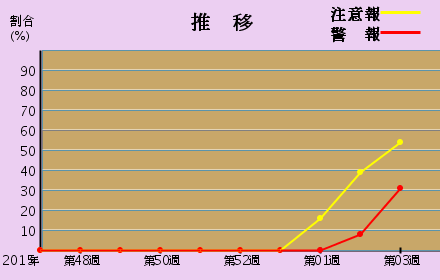
Flu surged late in winter 2016: warm early winter kept it quiet until mid-January (college exam season), then temps dropped and flu rose. When it’s already circulating, what can we do? I collected official advice—spoiler: mostly basic stuff.
Official flu info (Japan)
Because flu hits society-wide, the government posts resources:
Gov Online is the simplest for prevention tips; outbreak updates come from IDSC and prefectural health centers.
Prevention during an ongoing outbreak
Gov Online: Handwashing, masks, cough etiquette
Once flu is already around you, vaccines are too late to help for that wave. Last line of defense (yes, it’s basic):
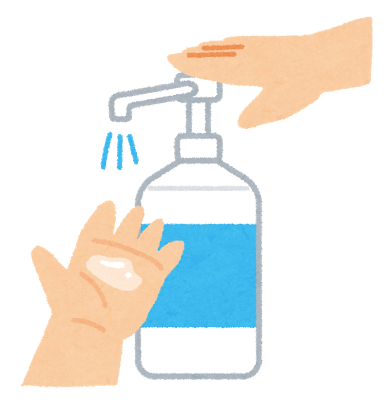
- Wash hands often, especially after going out and before meals (use soap well).
- Eat properly and sleep.
- Keep humidity ≥50%.
- Avoid crowds.
- Wear a mask.
It’s just like regular cold prevention. Commuters might only manage “wear a mask,” but wash hands when you can, head home on time, and maybe ride less-crowded trains.
Outbreak maps
Flu Level Map (IDSC, archived)
Flu often starts in colder regions; the map darkens from the north. By 2016 week 03 (Jan 18–24), most of Japan was colored:
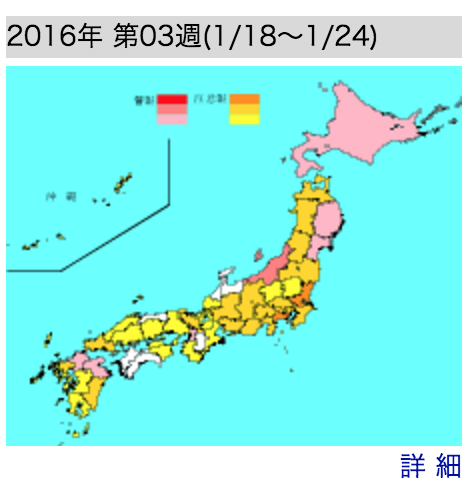
Each map links to details; click your prefecture for local info. Also search “インフルエンザ (your prefecture)” to find closures and advisories—e.g., Niigata data when it turned red. Last year’s charts show flu peaked around New Year; prior years, post–New Year.
More on prevention basics
Top line: handwashing, humidity, avoid risk. Notably, “gargling” isn’t emphasized because flu replicates deep in the nose, though gargling still helps against other winter bugs.
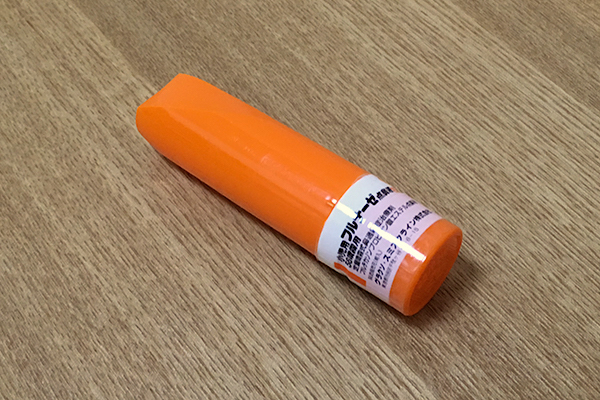
Flu spreads by droplets; the virus can survive on surfaces (desks/clothes) for ~15 minutes. Even with handwash/mask, touching doorknobs/keyboards then eating can infect you. At home, keep disinfectant like Pasture; at work, try pocket sanitizers or alcohol wipes:
- Pocket sanitizer: e.g., 携帯用消毒液
- Wipes:
Flu also enters via the nose—nose-pickers beware. Remember: flu virus multiplies in the back of the nose.
Why humidity matters
Dry air weakens the throat/nasal barrier, so humidifying helps. Masks both block droplets and keep local humidity up. Flu virus also inactivates faster at higher temp/humidity, so warm, humid rooms beat cold, dry air.
References:
- Physical analysis of cough and airborne flu virus activity (PDF) – Sendai Medical Center
- Humidification and flu virus inactivation in a simple isolation chamber (PDF) – Takasago Thermal Engineering
Many homes/offices have humidifiers but not hygrometers. Humidity is hard to feel; I’ve seen 40% even with a humidifier running. A hygrometer helps; also useful in summer for heat-stroke cues.
We use this big-display thermo-hygrometer; a smiley shows comfort. In winter, watch humidity; in summer, watch the face—at ~90% humidity, even 30°C reads 😱, a cue to run AC (handy for elders who resist AC).
Summary
- Check local flu updates.
- When it’s near, commit to handwashing and masks (plus sleep/food/humidity/avoid crowds).
- If symptoms appear, see a doctor quickly.
We keep a few bottles of sports drink on hand just in case. Stay healthy!***