Year-end deep clean? Duskin’s PDF checklist is all you need
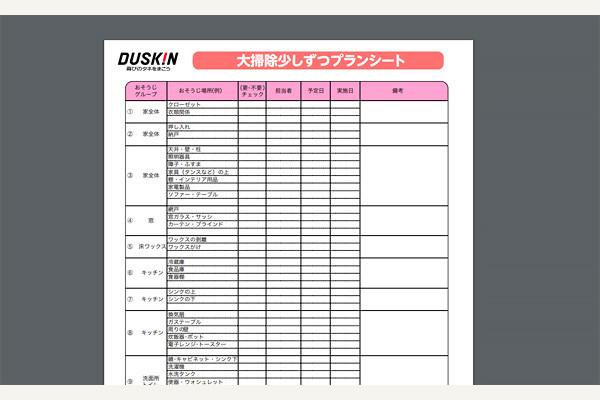
Year-end “big clean” is a project. I’d lose a whole day on windows and feel half-done. Duskin’s printable checklist fixes that: 12 tasks with space for area, person in charge, and date—a family TODO. The kitchen alone gets three slots, which feels right.
Why I like it
- Gives the whole scope up front so you can split work.
- Stops you from getting lost in one spot.
- Handy notes column for “prioritize living room windows; back door can be quick.”
Gear to prep
Before grabbing the range hood, make sure supplies are stocked. My basics:
- Microfiber cloths
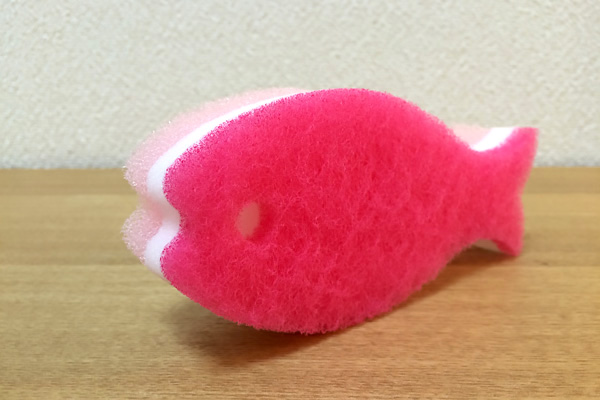
- Melamine sponges
- All-purpose cleaner (e.g., Kao “Kantan My Pét”)
- Baking soda, citric acid, and sesquicarbonate for DIY cleaners


Quick tips (from experience)
- Fine dust: vacuum nozzle + dry microfiber; for tight spots blast an air duster first (mask up).
- Water scale: 100-yen “uroko” scrubbers work like pricier ones.
- Grease: strong alkaline sprays (e.g., “Clean Shu!”) melt it—ventilate, mask, gloves.

- Rust/polish: Pikal shines metal fast.

Pace yourself
Declutter first so wiping isn’t blocked by piles. Check curtains/sofa covers and detergent stock before you start. If you’re weak at tossing stuff, channel your inner “this can go.”
When the holiday break hits, run the plan with a timer so one task doesn’t eat the day.
Once gear is ready, chip away—and enjoy the detours
Before wiping, dump clutter; pulling everything out without tossing anything is exhausting. Japan’s year-end deep clean (“ōsōji”) isn’t new—people did it in the Edo period too:
In mid/late Edo, big cleanups had a cozy side: when people found ukiyo-e prints or kawaraban broadsheets stashed in closets or under sliding-door paper, they’d stop and read instead of cleaning.
— Wikipedia (JP): 掃除
Across centuries, we still pause to flip through old albums we just unearthed—so budget time for the detour.