Desk job back pain? Convict Conditioning’s bridge fixed my psoas
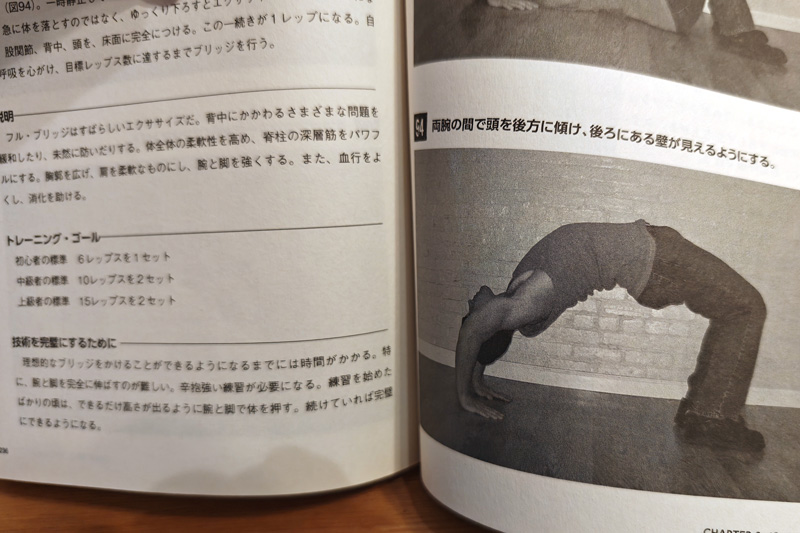
My lower back hurt when I bent over the sink in the morning. It felt like the front side (hip flexors) rather than glutes. I tried cobra stretches and other moves; the bridge helped the most.
Just do the bridge
I found it in this book:
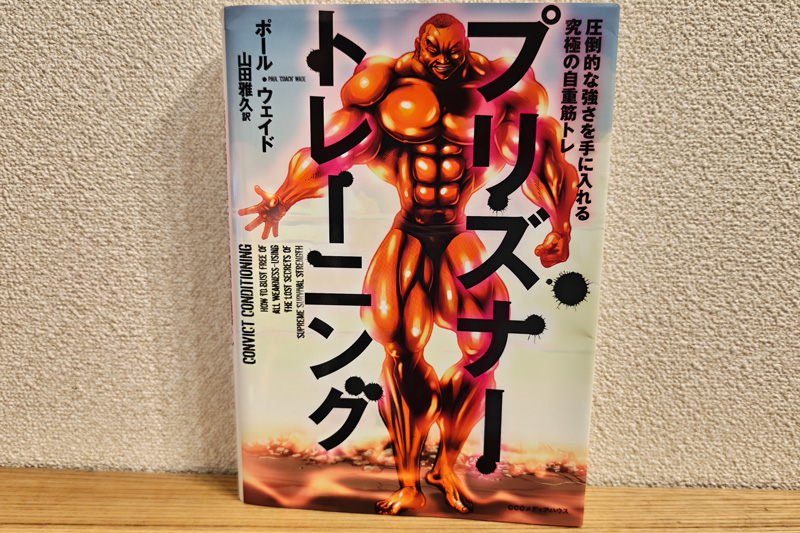
It’s Paul Wade’s “Convict Conditioning.” It’s all bodyweight drills, and the “bridge” in there eased my back once I practiced it.
But I couldn’t do a full bridge on day one. As a kid it was easy, so I thought, “Bridge? No problem,” and my torso barely lifted. My kid said I looked like a stapler. Kids, man.
Fun JP edition trivia: the English cover is a muted military style, but the Japanese cover is a full-on Baki illustration by the original artist. The jacked Black guy is Biscuit Oliva—yes, a prisoner, yes, absurd muscles. The impact was huge and it basically made the book a hit here.
Biscuit Oliva | Baki Wiki | Fandom
Why I couldn’t bridge
My psoas/hip flexors were stiff from long desk hours. Standing up or stretching on the chair didn’t touch them. Lunges and cobras finally reached them.
Doing a few cobras, pushing to my end range, and then bridging worked.
Why the bridge hits the psoas harder
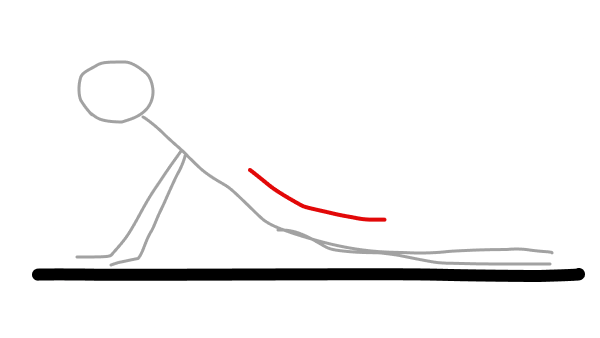
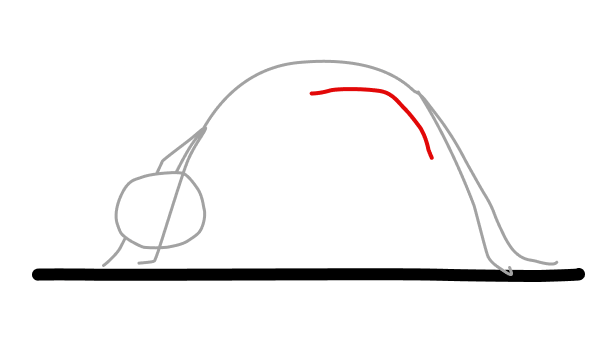
It’s the angle. I did cobras and “wiggle the hips” in prone, but you can only extend so far there. The bridge lets you go past that, so the stretch kicked in and eased the back pain.
Warm up with cobras
Cobras alone don’t extend enough for me, but jumping straight into a bridge feels risky. I do a few cobras first. The first rep feels like deep tissue crackling near the navel; later reps loosen up. My muscles are just that tight.
Bridge is level 6 of 10 in the book
The book has six “Big” moves (chest, abs, shoulders, back, legs, arms), each with level 1–10 progressions. Bridge is level 6 in the back section, so it can be tough if you’re cold.
Back progression they recommend:
- Hip lift (glute bridge)
- Straight bridge (reverse plank style)
- Supported bridge (hands on a knee-high object)
- Head bridge (head support first)
- Half bridge (with support under the back)
- Full bridge (standard)
- Wall bridge (from top)
- Wall bridge (from bottom)
- Bridge from a standing backbend
- Stand up from a bridge
Some look barely like a bridge, but that’s the system.
A bridge recruits shoulders plus glutes/hamstrings while arching the spine, so each muscle group needs prep.
The book literally warns:
The bridge is an important exercise, but if you’ve never done it, or not for a long time, don’t jump into a full bridge. People have been seriously injured.
Serious injury?! I skipped the bridge chapter at first; my body was stiff and my shoulders cramped. After some trial and error it became a pleasant stretch once I could do it.
Wrap-up
I usually stretch hamstrings or piriformis for back pain. Didn’t expect psoas-driven pain 😅
Psoas is deep, so massage and acupressure don’t reach it well. Tennis balls barely help; a massage gun on the belly just feels nauseating.
If cobras aren’t enough, try a bridge or a close cousin. Even those park back-stretch benches help.
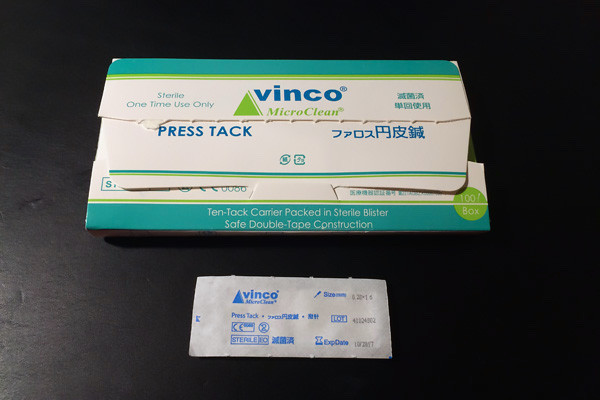
For wrist/shoulder stiffness I use stick-on needles like above, but around the waist it’s hard—the needles won’t reach glutes or deep abdominals, so stretching is the only way.