I tried buffing scratches out of my glasses and learned a lot about lenses
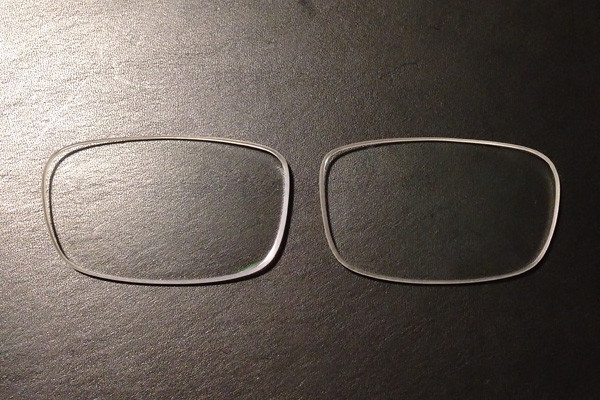
My vision is lousy in both eyes, so I live in glasses. The pair I wear now is about two years old and lately feels hazy even after wiping—maybe micro-scratches? Plastic lenses plus compound to buff them out sounded tempting.
Verdict: don’t buff your actual lenses 🙅
I Googled before touching my real glasses—modern reflex. Two immediate issues:
- You’ll strip the coatings.
- Over-buffing can change thickness/curvature and alter the prescription.
Good thing I stopped. I remembered I’d kept old lenses from a swap, so those became my test pieces (same age and wear as my current pair).
Test 1: Plastic polish cloth
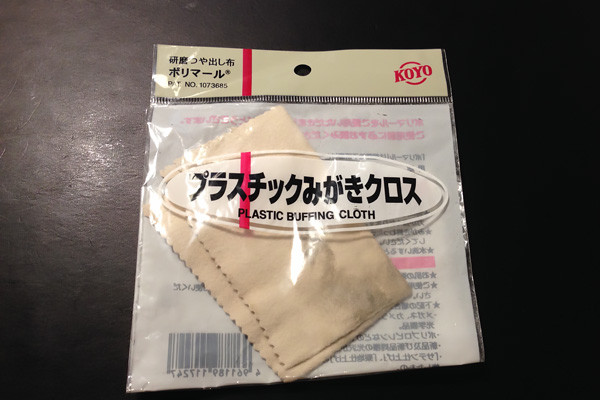
This “plastic polish cloth” (by Koyo, ¥440, ★★★★☆) is a thick microfiber with micro-abrasive “Poly-Marl” plus wax. It even feels a bit tacky from the wax. I rubbed a lens for 1–2 minutes—compound is slow compared to sandpaper.
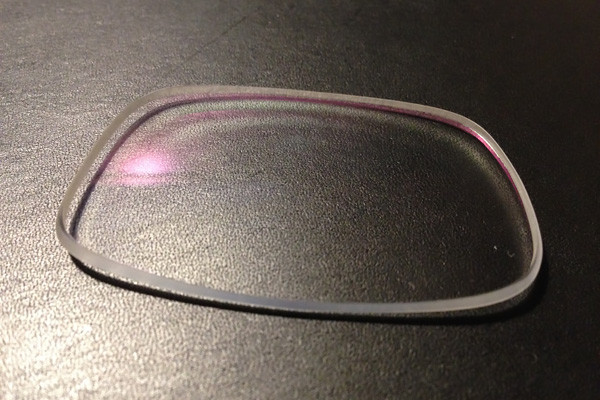
Result: shinier from the wax, but scratches stayed. Maybe more time would help; I got bored. Bonus: these cloths are amazing on kids’ plastic toys. It’s a two-pack—I already sacrificed one to toy duty.
Test 2: Pikal metal polish
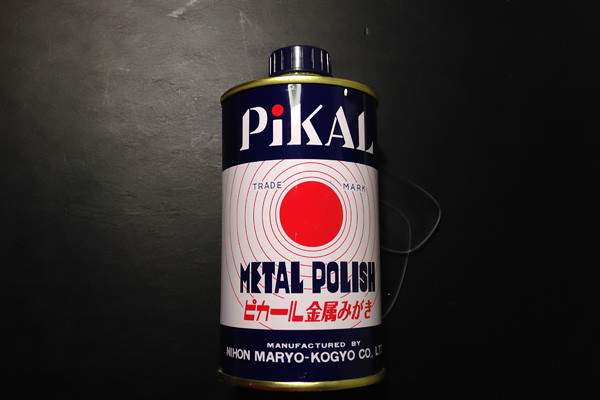
Pikal is the famous metal polish. Putting metal polish on plastic is obviously questionable—the abrasive feels harder than the plastic cloth. Shake the bottle, dab on a cloth, rub, breathe in that unmistakable Pikal smell.
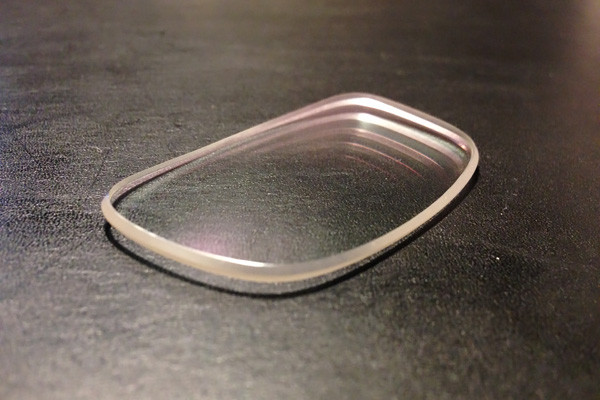
Result: also barely changed. Maybe I didn’t polish long enough. Pikal’s whole job is to bring dull metal back to shiny—fine abrasive plus solvent that wipes rust off. (It’s probably the ancestor of “Sabi Trail” rust remover.)
Where I actually use Pikal: faucets and pipes in the kitchen/bath, and once on a bike fender—oops, it removed the matte finish and made it shiny.
Amazon reviews show people using it on:
- Acrylic/plastic finishing
- Car paint micro-scratch removal
- Car headlight de-yellowing
- Kitchen knives
- Apple Watch
The manufacturer says it’s for metal, not plastic or paint, but if you don’t scrub like crazy it works as a mild gloss booster.
Did I strip the coatings?
Couldn’t tell. These were spare lenses and I don’t even remember which frames they came from, so I had nothing to compare against.
What lens coatings do
From lens makers:
- Anti-reflection
- Smudge resistance
- Scratch resistance
- Anti-static
- UV cut
- Blue-light cut
- Anti-fog
Mine are from Zoff and include anti-reflection, scratch guard, and UV cut. Anti-reflection is usually the outer layer; lose it and glare/ghosting increases.
Heat wrecks coatings
You’ll see care tips like “don’t wear glasses in the bath/sauna” and “watch hair-dryer heat.” Coatings hate heat; even a parked car in summer is risky. I skipped the hot-water soak and held a lighter near the lens instead.
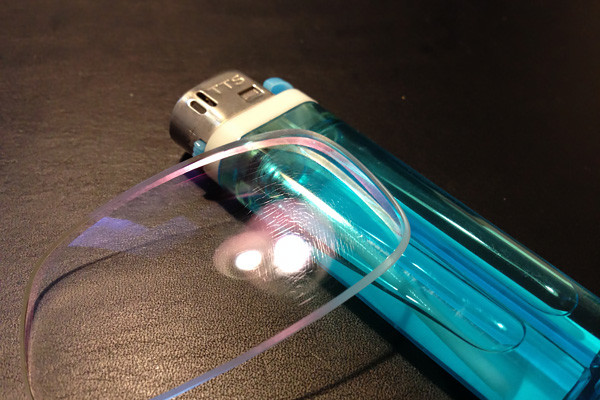
The lit area developed fine crackles—that’s coating crazing, not scratches. Through the lens the view looked hazy with distortion at the crack boundary. At that point you replace the lens.
Quoting a glasses shop:
At 60°C or higher, cracks form. The anti-reflection coat is a metal film that barely expands with heat, while the plastic base expands sharply above 60°C. The thin coat can’t keep up and fractures.
レンズの寿命は1年半から2年位 ~れんず屋
Coating = metal film? Hard to picture, but HOYA says the total thickness is 1/10–1/1000 of cling film. That’s ultra-thin.
Can lenses be re-coated?
Effectively no. Lenses are molded, ground, and coated in factory cleanrooms. Think of trying to apply a phone screen protector in a dust-free room—now imagine doing it for a living, on a production schedule. No one will pause a line to re-coat your single used lens. “DIY coating liquids” that show up in searches are… about what you’d expect.

How glasses lenses are made (Tokai Optical)
Does polishing change prescription?
At the “maybe scuffed the coating” level, no. You’d need to grind plastic away with a machine to alter power. Coating damage can make vision feel off, which some might mistake for a prescription change. Also: getting Pikal to actually dent plastic would take forever—again, without a grinder.
Other things I learned
- Coatings are consumables. Even with gentle care, daily use ages them out in about 1–2 years (per multiple makers). Rotating multiple pairs could stretch that.
- Airborne dust contains tiny abrasive particles. Dry-wiping can scratch that ultra-thin coating. Always rinse first, then wipe gently. Water removes grit before the cloth touches the lens.
Takeaways
- Glasses lenses are consumables.
- Scratches and coating peel can’t realistically be fixed at home.
- If scratches bother you, swap lenses at the shop instead of experimenting on your main pair.
For cleaning, lots of people use dish soap. I like a dedicated foam cleaner called “Glasses Shampoo” from car-care maker SOFT99:
How to use:
- Rinse the glasses lightly with water.
- One pump on each side.
- Gently wash with the foam.
- Rinse.
It’s basically surfactant, but the dense foam lifts oil evenly and rinses faster than dish soap, so you don’t get rainbow residue when drying. Highly recommend if you hate fogging, too:
Looking on Amazon.com instead? Try these searches:
I also own an ultrasonic cleaner, but setting it up—fill with water/detergent, plug in, run, rinse glasses, then rinse/dry the machine—was enough hassle that I stopped using it. Fine if you can leave it out in an office; not great at home.
2025/11/30 update: a rotary tool made it worse

I tried a mini rotary tool with a buff and Pikal; it clearly abraded the surface layer and changed color. Instead of hiding the scratch, I widened the damage.
These days JINS or Zoff will swap lenses for about ¥7,000 even if you didn’t buy the frame there. If you like the frame, that’s faster than DIY “repairs.”