Axolotls Are Huge in Mexico
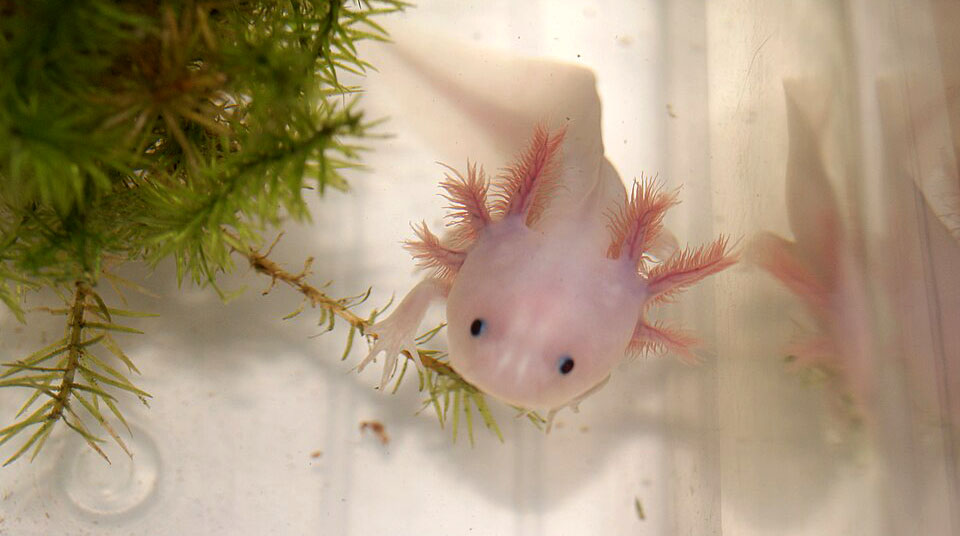
Axolotls are apparently popular in Mexico. They’re in Minecraft, so I figured they’re globally loved, but Mexico seems to be their hotspot.
I half-remembered the “Mexican something” nickname and searched “Mexico dragon,” which brought up Quetzalcoatl. Definitely not it—the right one was the Mexican salamander.
The tweet that started it
ウーパールーパーを描いているだけでメキシコ人からいっぱい感謝されるので現地で相当人気なんだろうなって思う…
— いなほ ゆら (@yura_inaho) November 29, 2025
Replies from locals say they’re a big deal—axolotls even show up on banknotes. Someone compared their Japanese equivalent to tanuki (raccoon dogs), which are trendy here lately, but banknote-level fame feels more like our ibis.
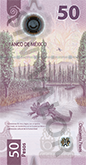 Source: Mexican peso - Wikipedia
Axolotls appear on Mexican currency. In Japan, that level would be the crested ibis, not a tanuki. The ibis was once endangered but is recovering thanks to conservation. Axolotls are also endangered, and their native range—around Lake Xochimilco near Mexico City—suffers from urbanization and poor water quality. Low numbers also mean low genetic diversity, so the situation remains critical.
Both pages are hefty; they’re vital for conservation and tourism, so fingers crossed for successful protection. In Japan, axolotls are sold in hardware/pet stores, so it felt like they were common, but the wild status is worse than I thought 😓. Wild numbers are down, but pet demand is strong, so breeders keep producing color morphs—for better or worse.
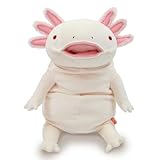
The Japanese “wooper looper”
“Wooper looper” is a Japanese-made English name born in the 1980s pet boom. Alongside frilled lizards, axolotls were everywhere back then.
They even starred in Nissin Yakisoba UFO ads as a little alien called “wooper looper,” saying “upa~.”
A YouTube comment claims the ad agency coined the name for this commercial. Hard to verify online—might need to dig into the ad magazine “Koukoku Hihyo” circa 1985 to confirm.
They also gave away a wobbling alarm clock via mail-in campaign. Peak ’80s: its whiskers popped in and out, it rolled around, and the motor was louder than the beeping.
Do locals know why the real name is awkward in Japanese?
The official name is Axolotl. Outside Japan that’s normal, but Japanese readers often smirk or laugh—why?
“Axolotl” comes from Nahuatl: water (atl) + deity (Xolotl). It became Spanish Ajolote, then “Ahorōtoru” in Japanese. “Aho” in Japanese is “fool,” and “rōtoru” is thought to have come from French “routier” (veteran soldier) or Chinese “老頭児” (old man), both meaning something old/aged. So it sounds like “foolish old man,” which clashes hilariously with the cute creature. In English it’s “axolotl,” which Japanese ears might render as “akuso-rotoru”—now it sounds like “crappy old man.” Brutal.
So…
Axolotls are big in Mexico; the “wooper looper” nickname never spread abroad. When the Pokémon Wooper appeared, how did it read overseas? No name-looks match, so maybe just “mysterious aquatic thing.” I assumed its evolution Clodsire was a catfish because it looks like one… and wondered why we needed another with Whiscash already around.